
Cotton Fabric Wholesale Sourcing Guide: How Garment Factories Choose the Right Cotton Fabric
Published Mar 15, 2021

A cotton fabric sourcing guide for garment factories and fabric wholesale buyers, covering cotton fabric types, GSM, width, applications, MOQ, samples, and sourcing tips.
Cotton Fabric Wholesale Sourcing Guide: How Garment Factories Choose the Right Cotton Fabric!
Cotton fabric is one of the most widely used fabrics in garment production. It is breathable, comfortable, and soft, suitable for various clothing categories. For garment factories and fabric wholesale buyers, selecting the right cotton fabric directly affects garment quality, cost, and customer satisfaction.
This article introduces key factors to consider when sourcing cotton fabric wholesale: fabric type, GSM, width, applications, MOQ, samples, and sourcing tips.
Why Is Cotton Fabric Popular?
Cotton fabric is popular mainly because it is comfortable to wear and suitable for everyday clothing.
Cotton fabric is commonly used for:
- T-shirts
- Shirts
- Casual wear
- Uniforms
- Baby and children's clothing
- Dresses
- Home textiles
Advantages of cotton fabric include:
- Soft hand feel
- Good breathability
- Suitable for daily wear
- Suitable for dyeing and printing
- Wide range of GSM options
- Can be knitted or woven
For garment factories, cotton fabric is a versatile basic fabric.
Common Cotton Fabric Types
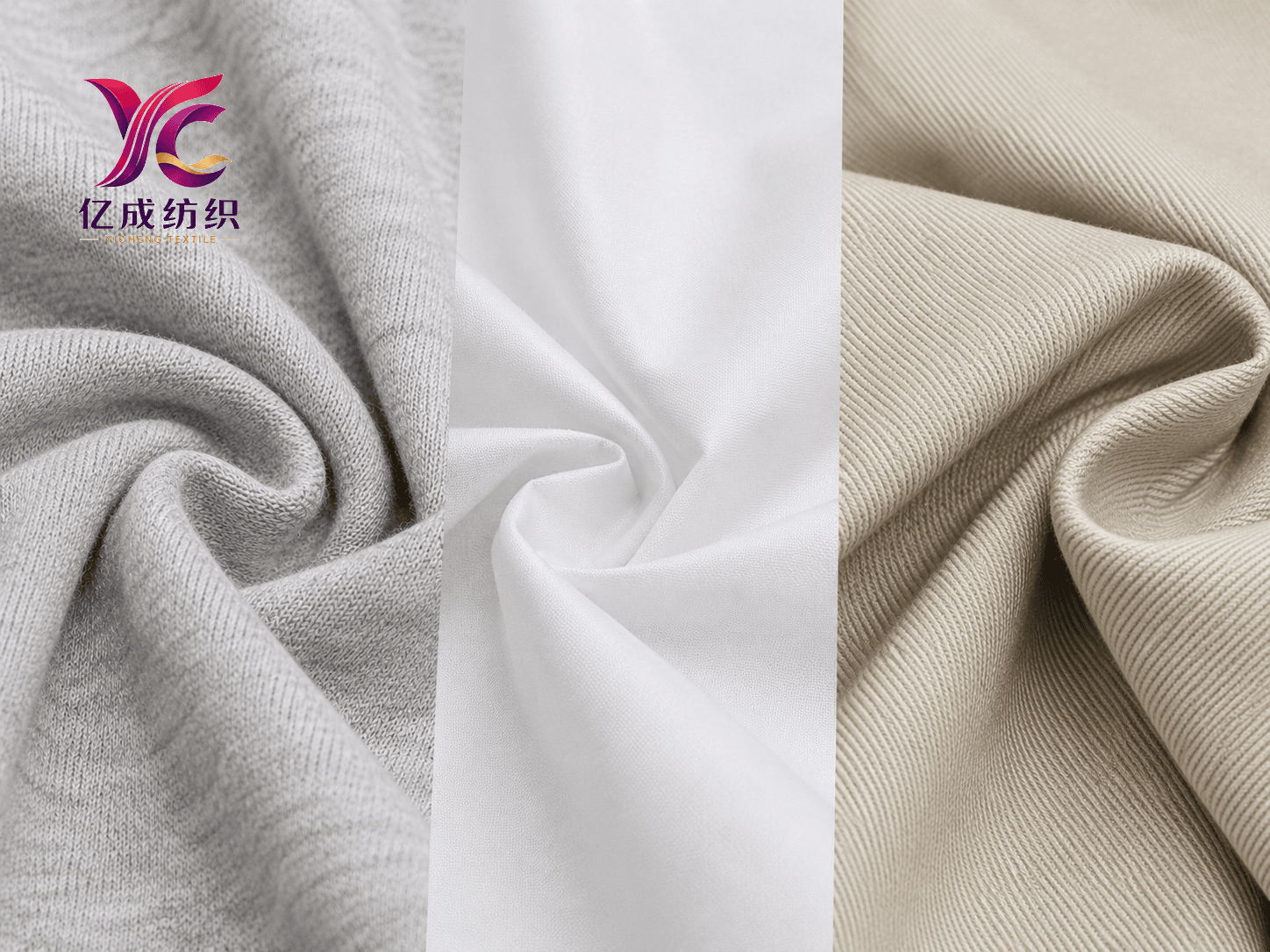
Cotton fabric is not a single category; it can be divided into many different structures and processes. Buyers need to choose based on the final product.
!
Cotton Single Jersey
Cotton single jersey is a knitted fabric, commonly used for T-shirts, underwear, casual wear, and baby clothing.
It usually has a soft hand feel and some natural stretch. Common GSM ranges from 140–220 GSM, depending on quality and application.
Cotton Poplin
Cotton poplin is a woven fabric with a smooth, flat surface, commonly used for shirts, uniforms, dresses, and lightweight garments.
Compared to single jersey, poplin has a more stable structure and a cleaner appearance.
Cotton Twill
Cotton twill has a diagonal weave pattern and typically offers better strength and durability than plain weave.
It is commonly used for workwear, uniforms, pants, jackets, and structured garments.
Cotton Spandex (Stretch Cotton)
Cotton spandex contains elastane for better stretch and recovery, suitable for garments requiring comfort and mobility.
Common uses include T-shirts, leggings, sportswear, fitted clothing, and children's wear.
Cotton Blends
Cotton is often blended with polyester, spandex, rayon, or other fibers. Blends can improve durability, stretch, wrinkle resistance, and cost control.
For example, poly-cotton is commonly used for uniforms and workwear because it balances comfort and durability.
!
How to Choose the Right GSM?
GSM is a very important parameter when sourcing cotton fabric.
Generally:
- 120–160 GSM: Suitable for lightweight T-shirts, shirts, and summer clothing.
- 160–220 GSM: Suitable for regular T-shirts, polo shirts, and casual wear.
- 220–280 GSM: Suitable for heavyweight T-shirts, uniforms, sweatshirts, and workwear.
- Above 280 GSM: Suitable for heavy garments, jackets, or special-purpose products.
The appropriate GSM depends on garment type, target market, season, and price range.
Higher GSM is not always better. Buyers should also consider yarn quality, weave structure, shrinkage, color fastness, and hand feel.
Width and Fabric Consumption
Width affects cutting efficiency and fabric consumption.
Common cotton fabric widths include:
- 150 cm
- 160 cm
- 170 cm
- 180 cm
- Some knitted fabrics are tubular
For garment factories, appropriate width reduces cutting waste. If the width is too narrow, more fabric may be needed for the same order.
When inquiring, buyers should specify the required width.
What Are Cotton Fabrics Suitable For?
Cotton fabric can be used for many products.
Common applications include:
- T-shirts
- Polo shirts
- Shirts
- Uniforms
- Dresses
- Baby and children's clothing
- Casual wear
- Workwear
- Home textiles
Different products require different types of cotton fabric. For example, T-shirts often use cotton single jersey, shirts commonly use cotton poplin, and workwear may use cotton twill or poly-cotton twill.
What Information Should Be Provided in Inquiries?
To help suppliers provide quick and accurate quotes, buyers should provide clear fabric specifications.
Suggested information:
- Fabric type
- Material or composition
- GSM
- Width
- Color
- Quantity
- End use
- Whether samples are needed
- Destination country
- Target price, if any
If you are unsure about the specific fabric, you can provide a reference sample or describe the final garment use, and let the supplier recommend suitable options.
MOQ and Samples
Cotton fabric wholesale usually has MOQ requirements. MOQ is affected by fabric type, color, dyeing process, and whether it is stock or custom.
Stock fabrics usually have lower MOQ. Custom colors, custom GSM, or special finishing typically require higher MOQ.
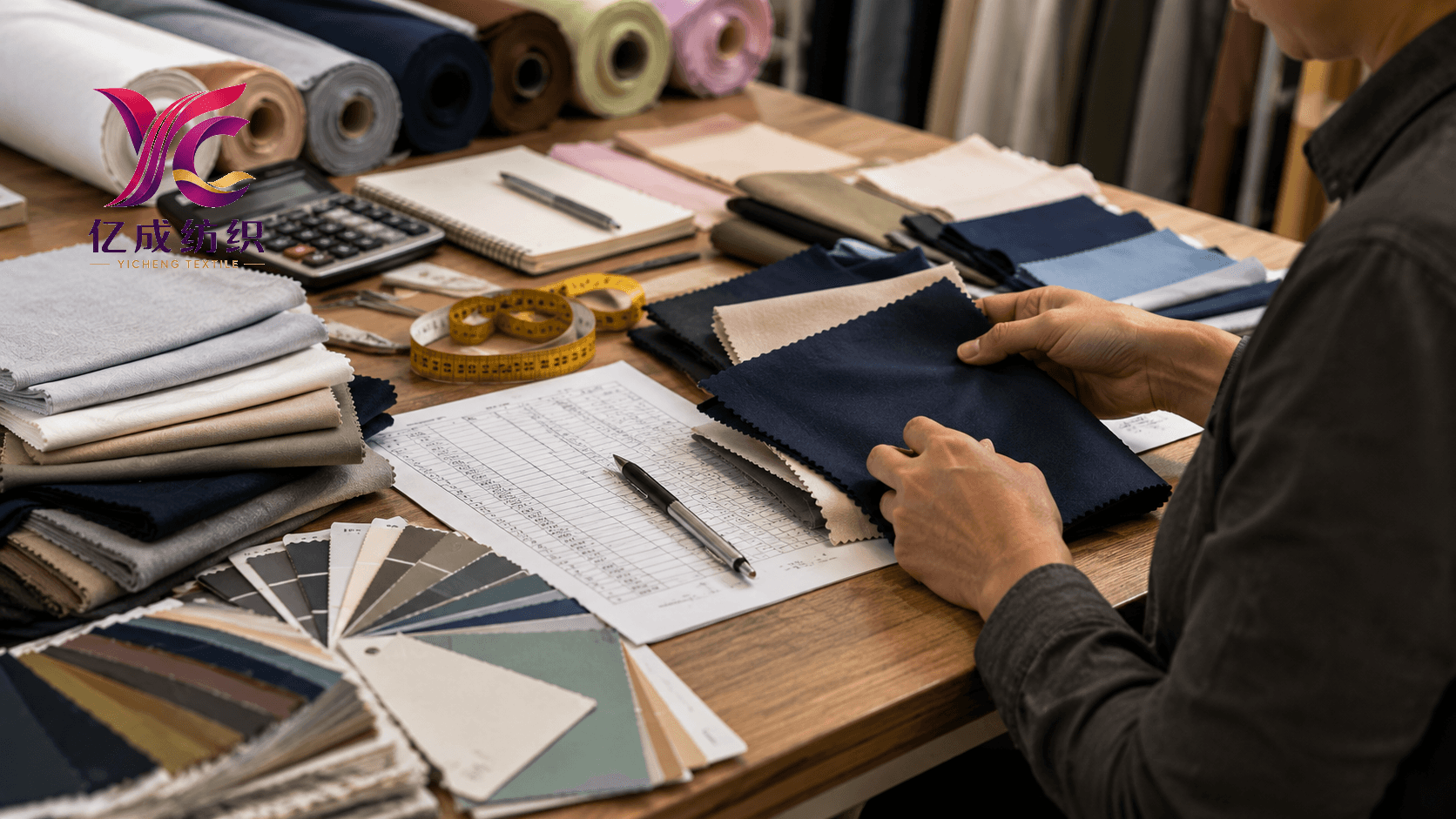
Before placing a bulk order, it is recommended to confirm samples. Samples help buyers evaluate hand feel, color, GSM, stretch, shrinkage, and overall quality.
What Quality Points Should Be Checked for Cotton Fabric?
Before confirming a cotton fabric order, it is recommended to check the following:
- GSM
- Width
- Composition
- Color accuracy
- Hand feel
- Shrinkage
- Color fastness
- Fabric defects
- Stretch and recovery
- Packaging
For garment factories, confirming fabric quality before bulk production reduces production risks.
Why Source Cotton Fabric from China?
China has a mature textile supply chain with abundant choices in cotton fabric types, colors, GSM, and finishing.
Guangzhou Textile City and Zhongda Fabric Market are valuable for garment factory buyers because they offer a wide selection, quick sample sourcing, and easy comparison of different suppliers and specifications.
For buyers in Vietnam, Thailand, and Southeast Asia, sourcing cotton fabric from China provides more options and facilitates sample development.
Summary
Cotton fabric is a basic fabric commonly used by garment factories. When sourcing cotton fabric, buyers need to consider fabric type, GSM, width, end use, MOQ, samples, and quality requirements.
If you are looking for cotton single jersey, cotton poplin, cotton twill, cotton spandex, or cotton blends, feel free to send an inquiry. We can recommend suitable cotton fabric solutions for garment factories in Vietnam, Thailand, and Southeast Asia.
FAQ
What cotton fabric is suitable for T-shirts?
Cotton single jersey is commonly used for T-shirts. The specific GSM depends on target quality, season, and customer requirements.
What GSM is typical for cotton T-shirts?
Common cotton T-shirt fabrics are around 160–220 GSM. Lightweight styles can be lower, and high-quality styles can be higher.
Can cotton fabric be customized?
Yes. Cotton fabric can be customized in GSM, width, color, composition, and finishing based on MOQ and production capabilities.
What is the MOQ for cotton fabric wholesale?
MOQ depends on fabric type, color, and whether it is stock or custom. Stock fabrics usually have lower MOQ.
Can I get cotton fabric samples before bulk order?
Yes. It is recommended to confirm samples before placing a bulk cotton fabric order.


