
How Can Vietnamese Garment Factories Source Fabric from China?
Published Mar 15, 2022

A guide for Vietnamese garment factories and fabric buyers on sourcing fabric from China, covering how to find suppliers, confirm samples, compare GSM, MOQ, price, delivery time, and quality.
How Can Vietnamese Garment Factories Source Fabric from China?
Vietnam has become an important garment production market in Southeast Asia. Many Vietnamese garment factories need a stable supply of fabric for T-shirts, uniforms, sportswear, jeans, dresses, bags, and export orders.
China is one of the key sources of fabric for Vietnamese garment factories because of its wide variety of fabrics, fast sampling, complete supply chain, and flexible options for both stock and custom orders.
This article explains how Vietnamese garment factories can source fabric from China more efficiently, including how to find suppliers, confirm samples, compare GSM, MOQ, price, delivery time, and quality.
Why Do Vietnamese Garment Factories Source Fabric from China?
Vietnam has strong garment manufacturing capabilities, but many factories still need to source fabric from China to access more options and faster development.
Chinese fabric suppliers can provide many fabric categories, such as:
- Cotton fabric
- Polyester fabric
- Denim
- Knit fabric
- Woven fabric
- Stretch fabric
- Uniform fabric
- Sportswear fabric
- Bag fabric
- Printed fabric
For Vietnamese garment factories, sourcing fabric from China offers more flexibility when local options are limited, when customers need fast development of new styles, or when orders require specific GSM, width, color, or finishing.
What Are the Advantages of China's Fabric Supply Chain?
!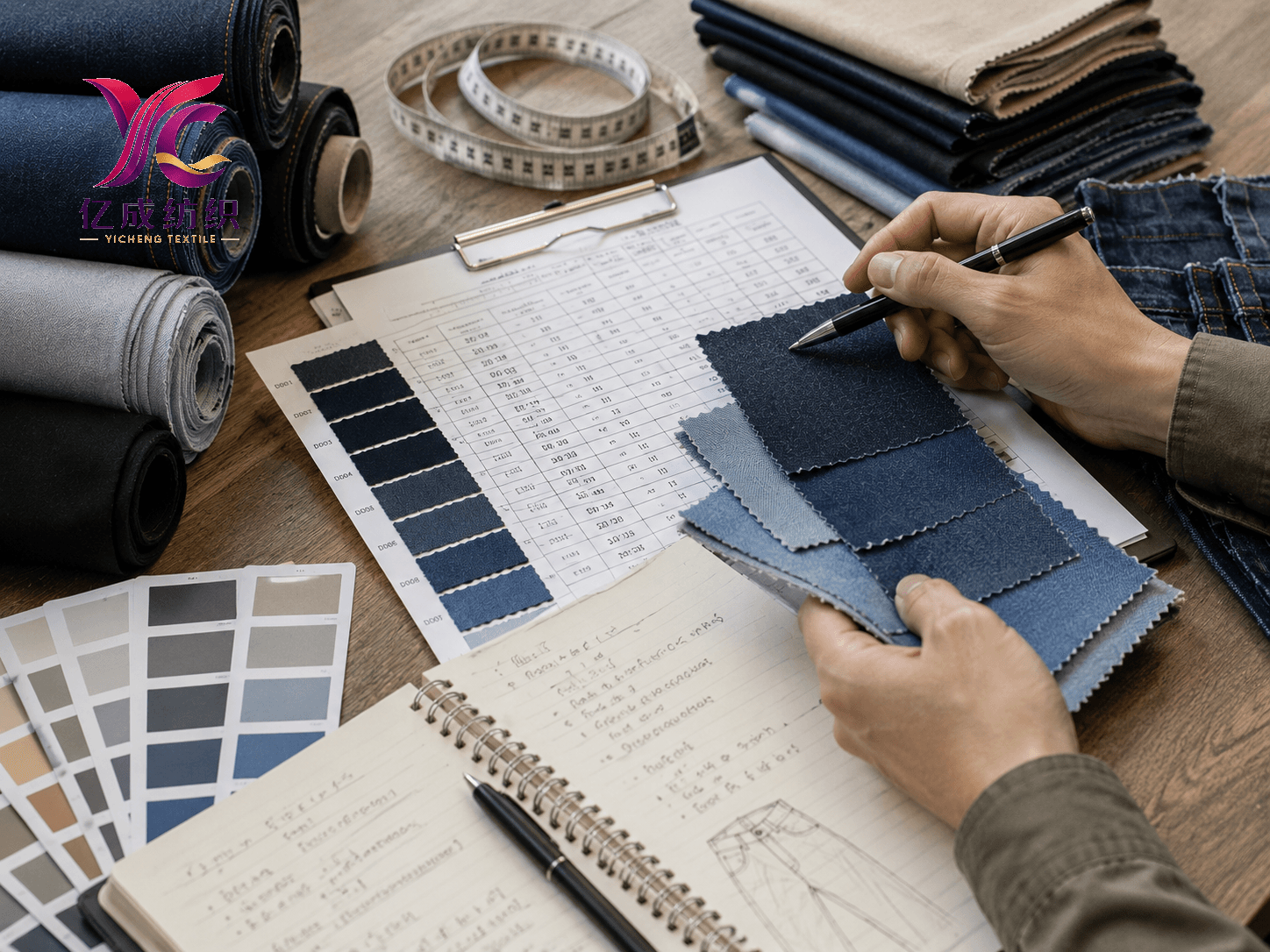
China has a complete textile supply chain, including yarn, weaving, knitting, dyeing, printing, finishing, and wholesale markets.
For garment buyers, this means:
- More fabric options
- Faster sample sourcing
- More flexible color and GSM selection
- Competitive wholesale prices
- Wide availability of stock fabrics
- Support for custom dyeing and finishing
- Abundant supplier resources
- Convenient comparison of different qualities and prices
Guangzhou Light Textile City, Zhongda Fabric Market, and surrounding fabric suppliers are especially valuable for buyers who need fast sample sourcing and multiple specification options.
What Fabrics Do Vietnamese Garment Factories Commonly Source?
Different products require different fabrics.
T-Shirt Fabric
T-shirts commonly use cotton single jersey, cotton elastane single jersey, polyester single jersey, or blended knit fabrics.
Buyers need to confirm GSM, width, composition, shrinkage, and hand feel.
Uniform Fabric
Uniforms typically use polyester-cotton fabric, twill, poplin, or pique fabric.
Key focus areas include durability, colorfastness, easy care, and stable supply.
Sportswear Fabric
Sportswear often uses polyester mesh, polyester single jersey, stretch fabric, or quick-dry fabric.
Buyers should pay attention to breathability, stretch, moisture-wicking, and print effects.
Denim
Jeans factories may need non-stretch denim, stretch denim, 100% cotton denim, or blended denim.
Weight, stretch, wash effect, and shrinkage are very important.
Bag Fabric
Bags commonly use polyester oxford fabric, canvas, coated fabric, or heavier woven fabric.
Focus on strength, coating, water resistance, and thickness.
Step 1: Define Your Fabric Requirements
Before contacting suppliers, Vietnamese garment factories should prepare clear fabric requirements.
Recommended details:
- Fabric type
- Material or composition
- GSM
- Width
- Color
- Quantity
- End use
- Whether samples are needed
- Target price
- Delivery city in Vietnam
- Reference sample or image
If the buyer does not know the exact fabric name, they can also provide garment images, sample swatches, or end use, so the supplier can recommend suitable options.
Step 2: Confirm Samples First
Confirming samples before bulk production is very important.
Samples help buyers confirm:
- Hand feel
- Thickness
- GSM
- Stretch
- Color
- Texture
- Shrinkage
- Print or dye effect
- Washing performance
For Vietnamese garment factories, sample confirmation reduces risk before cutting and sewing.
If the order is for export garments, sample confirmation is even more critical, as fabric specification differences can affect the final garment quality.
Step 3: Compare GSM, Width, and Composition
Many fabric issues come from unclear parameters.
For example, two fabrics may both be called cotton single jersey, but if GSM, yarn, width, and finishing differ, the actual performance may be completely different.
Buyers need to compare:
- GSM
- Width
- Composition
- Stretch
- Shrinkage
- Colorfastness
- Hand feel
- Surface texture
- Fabric structure
Do not compare based on price alone. Cheap fabric may have lower weight, unstable dyeing, higher shrinkage, or poorer hand feel.
Step 4: Confirm MOQ and Price
MOQ is a very important part of fabric sourcing.
Stock fabrics usually have lower MOQs. Custom colors, custom GSM, printing, dyeing, or special finishing typically have higher MOQs.
Vietnamese buyers need to ask:
- MOQ per color
- MOQ per fabric type
- Sample fee
- Bulk unit price
- Dyeing MOQ
- Production lead time
- Packaging method
- Payment terms
If the factory is just testing a new product, it is recommended to start with stock fabrics or low MOQ options.
Step 5: Confirm Delivery Time and Logistics
Fabric transportation from China to Vietnam can be done via different methods depending on order size and urgency.
!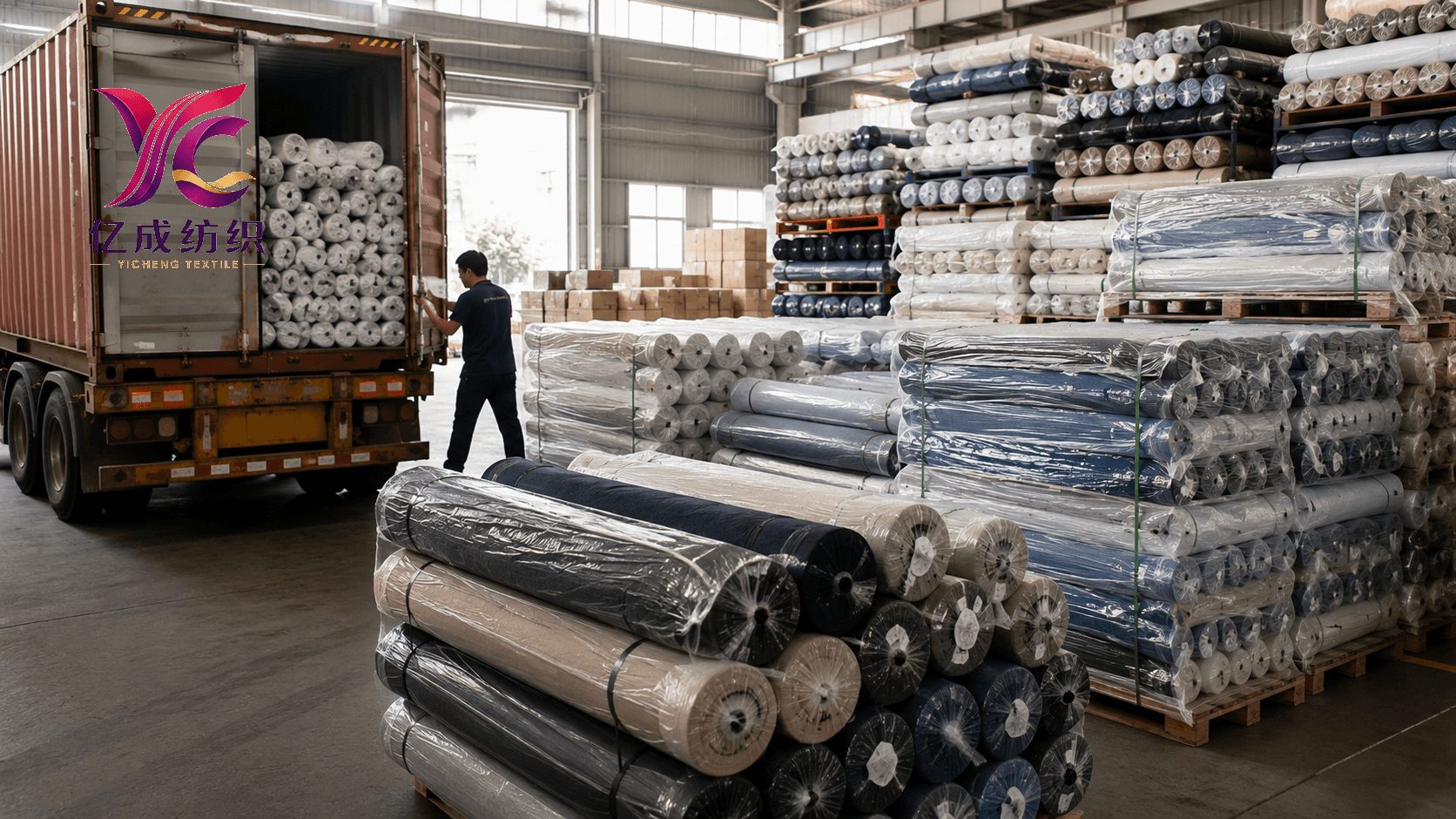
Common methods include:
- Samples via courier
- Urgent orders via air freight
- Some Vietnam orders via land transport
- Bulk orders via sea freight
Before placing an order, buyers need to confirm delivery time, package volume, shipping costs, and import requirements.
For long-term sourcing, establishing a stable fabric sourcing process can reduce communication time and costs.
Step 6: Check Quality Before Bulk Production
Before bulk production, buyers should carefully inspect the fabric.
Key inspection points include:
- GSM
- Width
- Color consistency
- Fabric defects
- Shrinkage
- Colorfastness
- Stretch and recovery
- Hand feel
- Packaging condition
For garment factories, fabric quality issues can cause production delays, sizing problems, or customer complaints. It is best to confirm quality before cutting.
Common Mistakes
Vietnamese garment factories should avoid these mistakes when sourcing fabric from China:
- Comparing only price
- Not confirming GSM
- Not checking width
- Not requesting samples
- Ignoring shrinkage
- Not checking colorfastness
- Not confirming MOQ
- Not confirming delivery time
- Choosing suppliers with unclear communication
Reliable fabric suppliers should help buyers clarify parameters, not just quote a low price.
How to Work with Fabric Suppliers?
A good fabric sourcing process should be clear and practical.
Buyer provides fabric requirements, supplier recommends suitable options, buyer confirms samples, both parties confirm price, MOQ, color, GSM, width, and delivery time, then proceed to bulk production.
For long-term cooperation, it is recommended to keep records of:
- Fabric code
- Color code
- GSM
- Width
- Supplier quotation
- Sample images
- Bulk order records
- Customer feedback
This will help Vietnamese garment factories reorder and develop new styles more accurately in the future.
Conclusion
China is an important fabric sourcing market for Vietnamese garment factories. Chinese suppliers can provide cotton fabric, polyester fabric, denim, knit fabric, woven fabric, and functional fabrics to help factories develop samples and match different order requirements.
For buyers, the key is to prepare clear requirements in advance, confirm samples, compare parameters, confirm MOQ, manage delivery time, and control quality before bulk production.
If you are looking for Chinese fabric suppliers for a Vietnamese garment factory, you can send an inquiry directly. We can recommend suitable fabrics for T-shirts, uniforms, sportswear, jeans, dresses, and bag orders.
FAQ
Can Vietnamese garment factories source fabric from China?
Yes. Many Vietnamese garment factories source fabric from China to access more fabric options, sample development, and wholesale supply.
What information should be provided in an inquiry?
It is recommended to provide fabric type, material, GSM, width, color, quantity, end use, delivery country, and sample requirements.
Can I get samples before bulk order?
Yes. It is recommended to confirm samples before placing a wholesale fabric order.
What fabrics do Vietnamese factories commonly source from China?
Common fabrics include cotton fabric, polyester fabric, denim, knit fabric, woven fabric, stretch fabric, and uniform fabric.
Can GSM or color be customized?
Yes. Many fabrics can be customized in GSM, width, color, or finishing depending on MOQ and production conditions.


