
What's the Difference Between Knit Fabric and Woven Fabric? Fabric Buying Guide
Published Dec 15, 2020

Understand the differences in weaving structure, stretch, hand feel, use, and garment production between knit and woven fabrics to help garment factories choose the right wholesale fabric.
What's the Difference Between Knit Fabric and Woven Fabric? Fabric Buying Guide
When sourcing fabrics, garment factories often face a question: Is this fabric knitted or woven? Knit and woven fabrics are two common fabric structures with distinct differences in stretch, hand feel, appearance, application, and garment effect.
Choosing the wrong fabric structure can affect garment comfort, fit, durability, and final quality. For wholesale fabric buyers, understanding the differences between knit and woven fabrics enables more accurate sourcing and reduces communication costs.
What is Knit Fabric?
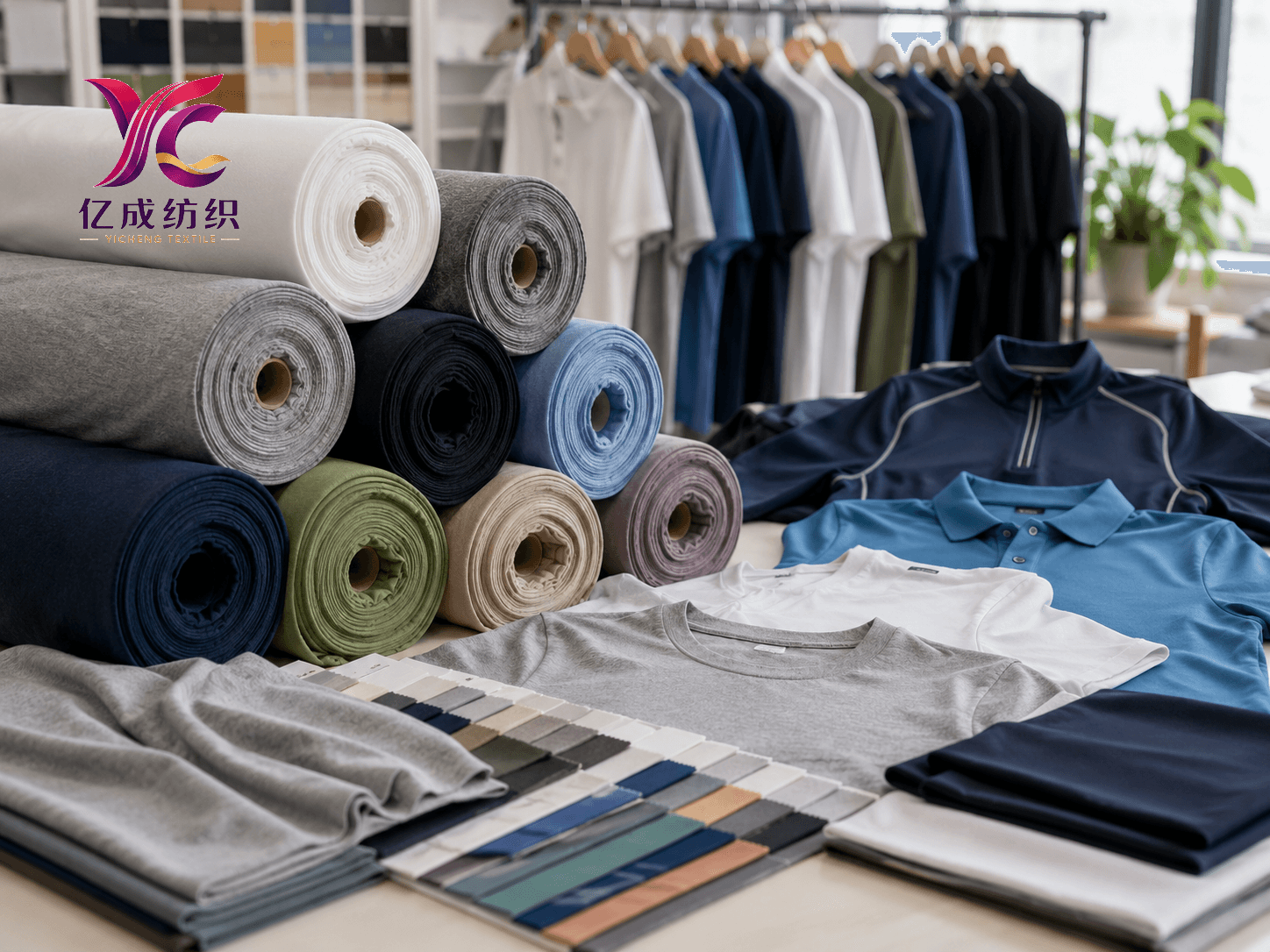
Knit fabric is made by interlocking loops of yarn. Due to its loop structure, it generally offers better stretch and a softer hand feel.
Common knit fabrics include:
- Single jersey
- Rib knit
- Double knit
- Fleece
- French terry
- Mesh
- Stretch knit
Knit fabrics are commonly used for T-shirts, sportswear, underwear, casual wear, polo shirts, sweatshirts, and stretch garments.
What is Woven Fabric?
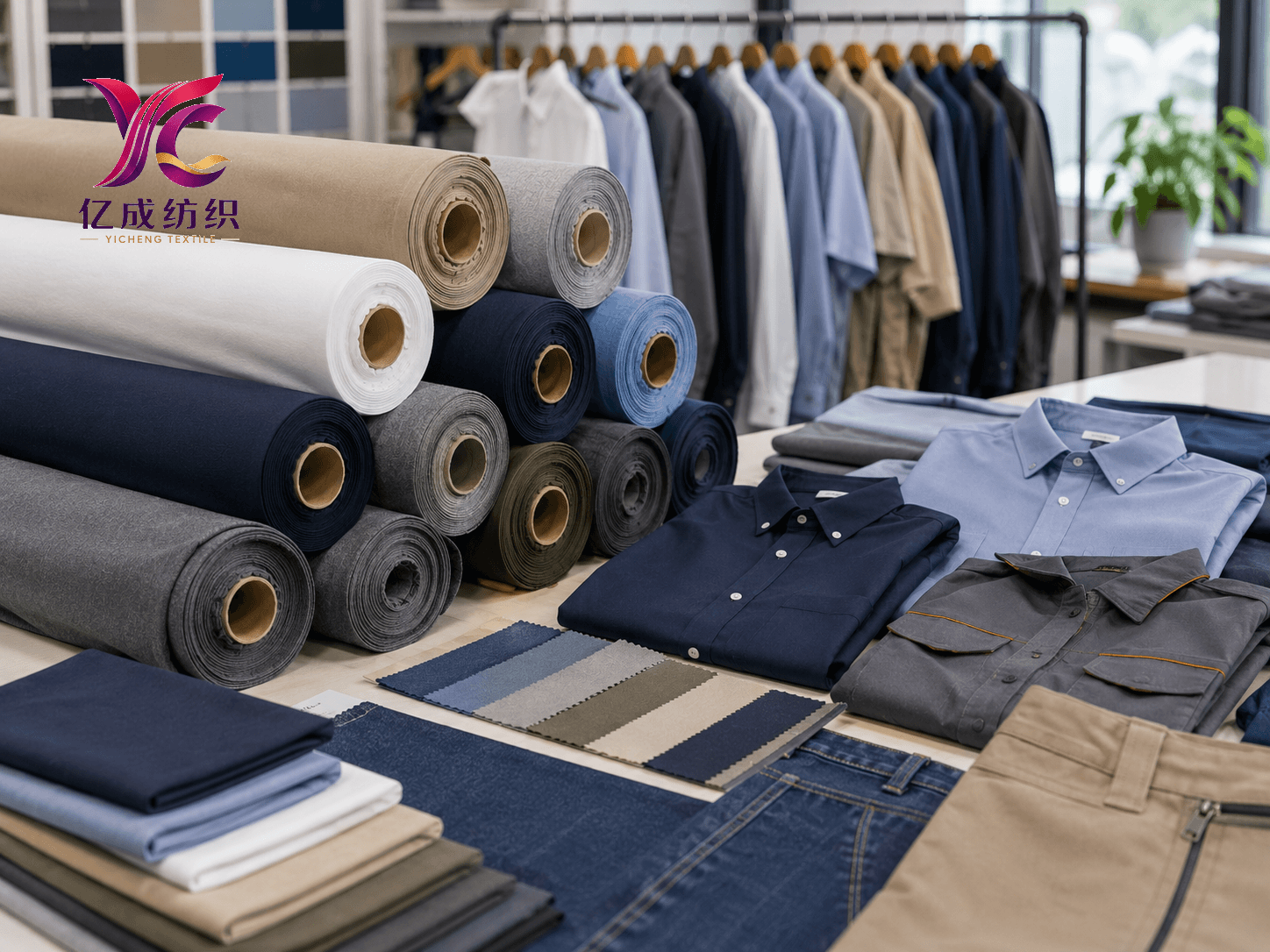
Woven fabric is made by interlacing warp and weft yarns at right angles. Its structure is more stable, typically with less stretch and a crisper shape.
Common woven fabrics include:
- Poplin
- Twill
- Denim
- Oxford
- Canvas
- Satin
- Plain weave
Woven fabrics are commonly used for shirts, uniforms, workwear, pants, jackets, bags, dresses, and home textiles.
!
Key Differences Between Knit and Woven Fabric
The biggest difference between knit and woven fabric is the weaving structure.
Knit fabric has a loop structure, making it softer and more stretchable. Woven fabric has an interlaced warp-weft structure, making it more stable and structured.
Simply put:
- Knit fabric is usually softer and more elastic.
- Woven fabric is usually crisper and more stable.
- Knit fabric is often used for comfort-oriented garments.
- Woven fabric is often used for garments requiring shape retention.
So, T-shirts are typically made from knit fabric, while shirts and workwear are usually woven.
Stretch and Comfort Differences
Knit fabric naturally has some stretch due to its loop structure. Adding spandex enhances elasticity.
Such fabrics are ideal for products requiring comfort and mobility, e.g.:
- T-shirts
- Sportswear
- Underwear
- Leggings
- Casual wear
- Baby and children's clothing
Woven fabric usually has less stretch unless spandex is added. It holds shape better and gives a crisper garment appearance.
These fabrics suit:
- Shirts
- Uniforms
- Workwear
- Pants
- Jackets
- Bags
Appearance and Hand Feel Differences
Knit fabric typically feels softer, more drapable, and offers higher wearing comfort and better body movement.
Woven fabric is usually smoother and more stable, with a hand feel that can be crisp, smooth, or thick, suitable for garments requiring shape and structure.
For example:
- Cotton single jersey is good for T-shirts.
- Cotton poplin is good for shirts.
- Twill is good for workwear.
- Denim is good for jeans.
Which Fabric is Better?
There is no absolute answer. Knit is not necessarily better than woven, and vice versa.
The key depends on the end product.
Choose knit fabric if you need:
- Stretch
- Soft hand feel
- Wearing comfort
- Breathability
- Casual style
- Sportswear or T-shirts
Choose woven fabric if you need:
- Stable shape
- Stronger structure
- More formal appearance
- Good durability
- Shirts, uniforms, or workwear
- Bags or home textiles
Common Applications
!
Typical Uses of Knit Fabric
Knit fabric is commonly used for:
- T-shirts
- Polo shirts
- Sportswear
- Underwear
- Sweatshirts
- Leggings
- Casual wear
- Baby and children's clothing
When the product needs comfort, softness, and stretch, knit fabric is usually the better choice.
Typical Uses of Woven Fabric
Woven fabric is commonly used for:
- Shirts
- Uniforms
- Workwear
- Pants
- Jackets
- Dresses
- Bags
- Home textiles
When the product needs crispness, durability, and shape stability, woven fabric is usually the better choice.
What Parameters to Confirm Before Purchasing?
Before bulk fabric purchasing, buyers should confirm more than just knit vs. woven. Additional parameters are recommended:
- Fabric type
- Material
- Composition
- GSM weight
- Width
- Color
- Stretch requirement
- End use
- Minimum order quantity
- Sample requirement
- Delivery country
If unsure whether to choose knit or woven, inform the supplier of the end use, target price, and reference samples, and let them recommend the best option.
Can Knit and Woven Fabrics Be Customized?
Yes. Both knit and woven fabrics can be customized based on fabric type and MOQ.
Common customizations include:
- GSM weight
- Width
- Color
- Composition
- Finishing
- Printing
- Spandex ratio
- Hand feel
For example, T-shirt customers may customize the weight and color of cotton single jersey; uniform customers may customize the composition, width, and color of twill.
Summary
Knit and woven fabrics are two major fabric types in garment production. Knit fabric is generally softer and more stretchable; woven fabric is generally more stable and structured.
For garment factories and wholesale buyers, the choice depends on the end product, target market, quality requirements, and budget.
If you are sourcing knit fabrics, woven fabrics, cotton, polyester, denim, or uniform fabrics, feel free to send an inquiry. We can recommend suitable fabric solutions for garment factories in Vietnam, Thailand, and Southeast Asia.
FAQ
What's the biggest difference between knit and woven fabric?
Knit fabric has a loop structure; woven fabric has an interlaced warp-weft structure. Knit fabric is usually more stretchable, while woven fabric is usually more stable.
Is knit fabric suitable for T-shirts?
Yes. T-shirts commonly use knit fabrics such as cotton single jersey, polyester single jersey, and cotton-spandex stretch fabric.
Is woven fabric suitable for uniforms?
Yes. Woven fabrics like twill, poplin, and polyester-cotton are commonly used for uniforms and workwear.
Which fabric has more stretch?
Generally, knit fabric has more stretch. Woven fabric usually has less stretch unless spandex is added.
Can I get samples before bulk order?
Yes. For wholesale fabric orders, it is recommended to confirm samples first before bulk production.


