
Denim Fabric Buying Guide: How Jean Factories Choose the Right Fabric
Published Sep 15, 2021

A denim fabric buying guide for jean factories and wholesale buyers, covering fabric weight, stretch, composition, color, wash effects, MOQ, and quality inspection.
Denim Fabric Buying Guide: How Jean Factories Choose the Right Fabric
Denim is a very important fabric for jeans, denim jackets, workwear, and casual garments. It is strong, durable, and has a classic look with stable demand in many markets.
For jean factories and wholesale buyers, choosing denim is not just about color. Buyers also need to consider fabric weight, composition, stretch, wash effects, width, MOQ, and quality consistency.
This article will introduce key points to note when sourcing denim fabric in wholesale and what information to confirm before placing an order.
What is Denim?
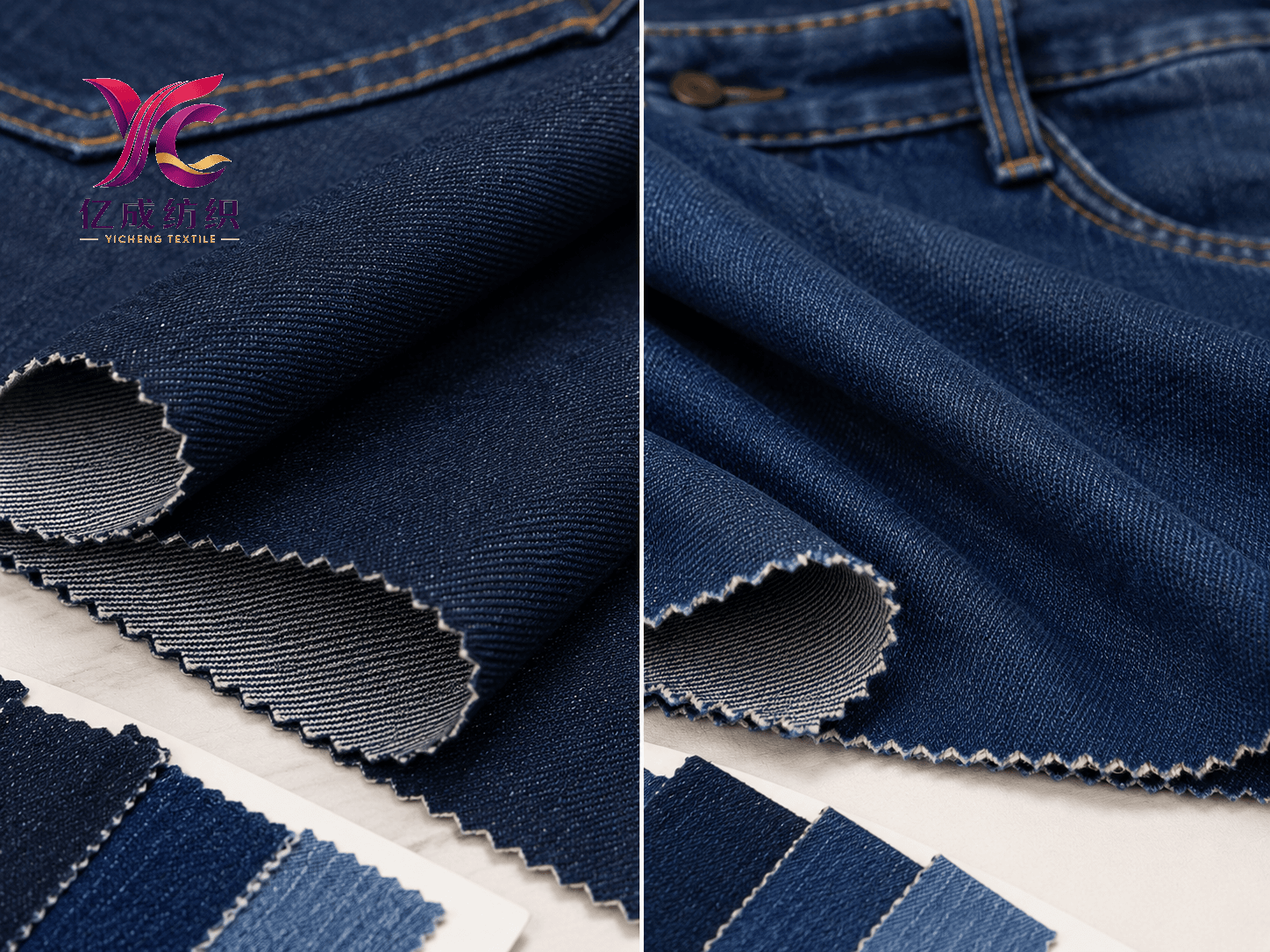
Denim is a sturdy woven fabric, typically made with a twill weave. Traditional denim is mostly cotton, but modern denim can also include polyester, spandex, rayon, or other fibers.
Most denim fabrics have a diagonal texture on the surface and are commonly used for:
- Jeans
- Denim jackets
- Denim skirts
- Workwear
- Casual pants
- Bags and luggage
- Fashion garments
Depending on the end use, denim can be classified into rigid, stretch, lightweight, heavyweight, washed, printed, or coated types.
!
Common Denim Types
There are many types of denim, and buyers need to choose based on garment style, target market, and price range.
Rigid Denim
Rigid denim usually has no significant stretch, feels firmer, and has a crisper silhouette.
It is often used for classic jeans, workwear, jackets, and products that require structural hold.
Stretch Denim
Stretch denim contains spandex or elastic fibers, offering better comfort and mobility.
It is commonly used for skinny jeans, women's jeans, slim-fit pants, and casual fashion.
100% Cotton Denim
100% cotton denim is classic, comfortable, and breathable, a common choice for jeans and casual wear.
The hand feel varies depending on yarn, weight, and finishing.
Polyester-Cotton Denim
Polyester-cotton denim can improve durability, wrinkle resistance, and cost control.
It suits buyers who need a balance of comfort, strength, and price.
Lightweight Denim
Lightweight denim is often used for shirts, dresses, skirts, and summer garments.
It is softer and more suitable for warmer markets.
Heavyweight Denim
Heavyweight denim is used for high-quality jeans, denim jackets, workwear, and abrasion-resistant products.
It is stronger but also increases cost and shipping weight.
Denim Weight: Ounces and GSM
!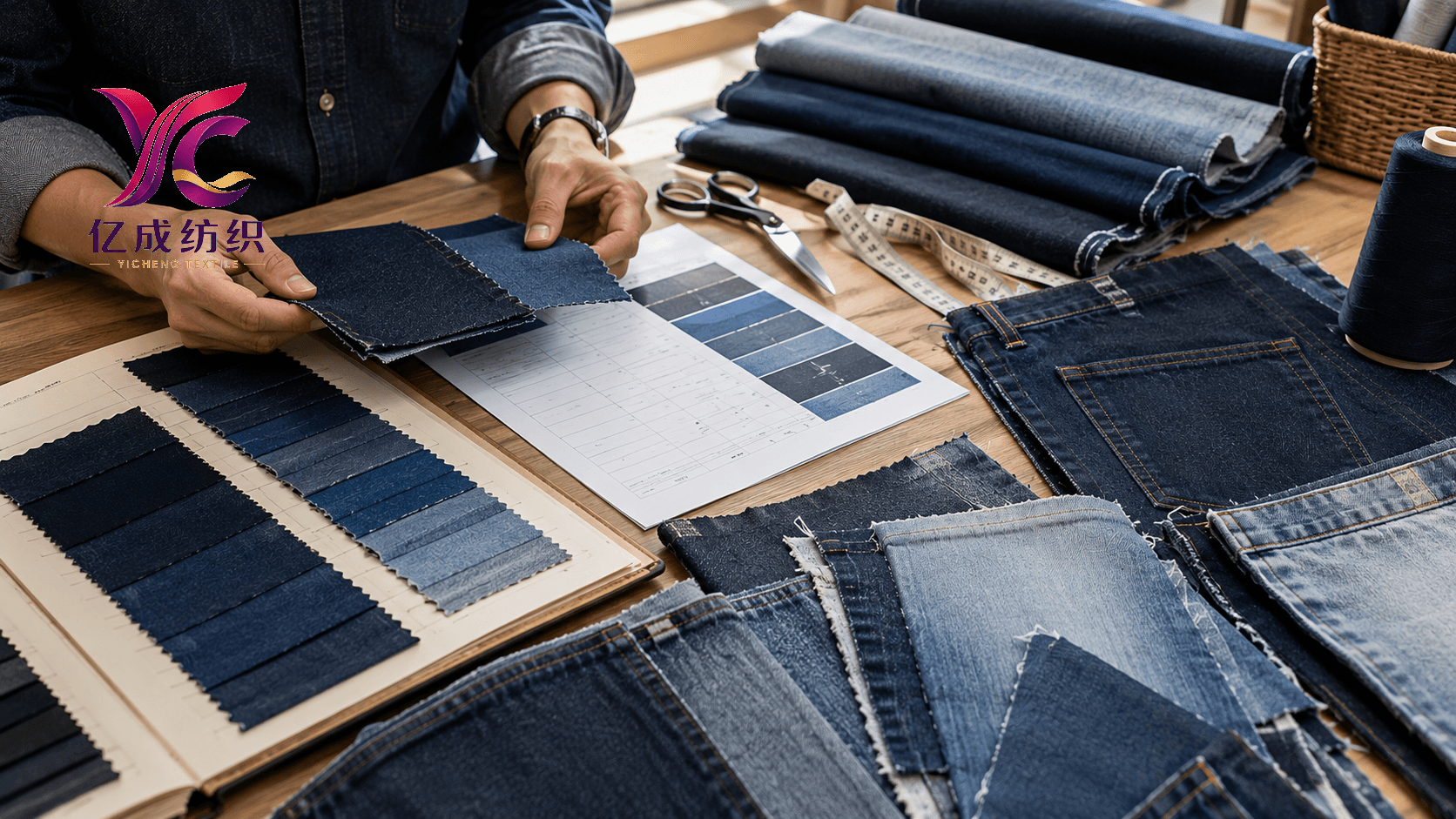
Denim weight is usually expressed in ounces, but can also be expressed in GSM.
Common denim weight ranges include:
- 4–6 oz: Lightweight denim, suitable for shirts, dresses, and summer garments
- 7–9 oz: Medium-light denim, suitable for casual pants and skirts
- 10–12 oz: Standard jean fabric
- 13–15 oz: Heavier denim, suitable for high-quality jeans and jackets
- Above 15 oz: Heavyweight denim, suitable for specialty products or workwear
The appropriate weight should be selected based on style, target customer, season, and wash effects.
Heavier denim is not always better. For example, in hot markets, lightweight denim may be more suitable, while structured jeans or workwear may require heavier denim.
Stretch and Recovery
Stretch is a very important parameter in modern denim garments.
When choosing stretch denim, buyers need to consider:
- Spandex content
- Stretch percentage
- Recovery performance
- Wearing comfort
- Wash stability
- Shape retention after wear
Good stretch denim not only stretches but also recovers well. Poor recovery can cause jeans to become loose and deformed after wear.
Recovery is especially important for slim-fit and women's jeans.
Color and Wash Effects
Denim is closely related to color and wash effects.
Common denim colors include:
- Indigo
- Dark blue
- Light blue
- Black
- Gray
- White
- Colored denim
Buyers need to confirm whether the denim is suitable for enzyme washing, stone washing, bleaching, snow washing, or other finishes.
The same denim fabric can look very different after different washes. For jean factories, it is often necessary to make wash samples before bulk production.
Denim Width and Fabric Consumption
Width affects cutting efficiency and fabric consumption.
Common denim widths include:
- 58/59 inches
- 60 inches
- 150 cm
- 160 cm
If the width is not suitable for pattern layout, the factory may generate more waste during cutting.
Before ordering, buyers should confirm the required width with their production team.
How to Choose Denim for Different Products?
Different denim products require different fabric specifications.
Jeans
Jeans typically use medium to heavy denim. Slim-fit styles often use stretch denim, while classic or workwear styles use rigid denim.
Denim Jackets
Denim jackets usually use medium-heavy to heavy denim, requiring fabric with structure and durability.
Shirts and Skirts
Denim shirts and skirts are typically suited to lightweight denim, with a softer hand feel for comfort.
Workwear
Workwear denim needs to be strong, abrasion-resistant, and stable. Higher weight or blended denim is more suitable.
Bags and Accessories
Denim can also be used for bags, hats, and accessories. Buyers need to consider strength, thickness, and colorfastness.
What Information Should Be Confirmed Before Purchasing?
Before placing a wholesale denim order, buyers are advised to confirm:
- Denim type
- Composition
- Weight (oz or GSM)
- Width
- Color
- Whether stretch is needed
- Wash requirements
- Quantity
- End use
- MOQ
- Whether samples are needed
- Delivery country
If buyers already have a garment sample or reference swatch, they can provide it to the supplier for matching.
What Quality Points Need to Be Checked?
Denim should be carefully inspected before bulk production.
Key inspection points include:
- Fabric weight
- Width
- Composition
- Color consistency
- Stretch and recovery
- Shrinkage
- Colorfastness
- Wash effect
- Fabric defects
- Hand feel
- Packaging condition
For jean factories, shrinkage and wash effects are particularly important. Poor control can lead to sizing issues or color differences.
MOQ and Sample Development
The MOQ for denim depends on color, weight, composition, and whether it is stock or custom.
Stock denim usually has a lower MOQ. Custom colors, custom weights, special washes, or special compositions typically require a higher MOQ.
Before bulk production, it is recommended to confirm fabric samples. If needed, garment samples can be made for wash testing.
Summary
Denim is an important fabric for jeans, denim jackets, workwear, and casual garments. When selecting suitable denim, buyers need to comprehensively consider weight, composition, stretch, color, wash effects, width, MOQ, and quality consistency.
For wholesale buyers, the best denim is not necessarily the heaviest, but one that matches the final product, target market, comfort requirements, and production process.
If you are looking for rigid denim, stretch denim, 100% cotton denim, polyester-cotton denim, or fabric for jeans production, you can send us an inquiry directly. We can recommend suitable denim solutions for garment factories in Vietnam, Thailand, and Southeast Asia.
Frequently Asked Questions
What ounce denim is typically used for jeans?
Standard jeans typically use around 10–12 oz denim, but it depends on style, season, and target market.
What is stretch denim?
Stretch denim is denim that contains spandex or elastic fibers, offering more comfort and better mobility.
Is 100% cotton denim always better than blended denim?
Not necessarily. 100% cotton denim is classic and comfortable; blended denim can improve durability, stretch, or cost control.
Can denim be customized?
Yes. Denim can often be customized in terms of weight, color, composition, width, and finishing, depending on MOQ and production capabilities.
Is wash testing necessary before bulk denim production?
It is recommended. Denim garment washing can affect color, shrinkage, hand feel, and final appearance.


