
วิธีการปรับแต่งสีผ้า? คู่มือการขอตัวอย่างสีและการยืนยันสีสำหรับคำสั่งซื้อจำนวนมาก
เผยแพร่ 15 มี.ค. 2566

แนะนำวิธีการปรับแต่งสีสำหรับคำสั่งซื้อผ้าจำนวนมาก ครอบคลุมรหัสสี Pantone, การย้อมตัวอย่าง Lab Dip, การยืนยันสี, ปริมาณขั้นต่ำในการสั่งซื้อ (MOQ), กระบวนการย้อมสี, การอนุมัติสี และการควบคุมคุณภาพการผลิตจำนวนมาก
วิธีการปรับแต่งสีผ้า? คู่มือการขอตัวอย่างสีและการยืนยันสีสำหรับคำสั่งซื้อจำนวนมาก
สีเป็นรายละเอียดที่สำคัญมากในการจัดซื้อผ้า สำหรับโรงงานเสื้อผ้าและผู้ซื้อผ้าขายส่ง สีของผ้าส่งผลต่อรูปลักษณ์ของเสื้อผ้าสำเร็จรูป ความสม่ำเสมอของแบรนด์ และความพึงพอใจของลูกค้า
เมื่อผู้ซื้อสั่งซื้อจำนวนมาก หลายครั้งไม่สามารถใช้สีที่มีอยู่ในสต็อกได้ แต่จำเป็นต้องปรับแต่งสีเฉพาะ การปรับแต่งสีผ้ามักเกี่ยวข้องกับรหัสสี Pantone, การย้อมตัวอย่าง Lab Dip, การยืนยันสี, MOQ, ระยะเวลาการย้อมสี และการควบคุมคุณภาพ
บทความนี้จะแนะนำขั้นตอนพื้นฐานในการปรับแต่งสีผ้า และสิ่งที่ผู้ซื้อควรยืนยันก่อนการสั่งซื้อจำนวนมาก
การปรับแต่งสีผ้าคืออะไร?
การปรับแต่งสีผ้า คือการที่ผู้ซื้อไม่ได้เลือกจากสีที่มีอยู่ในสต็อก แต่ขอให้ซัพพลายเออร์ทำตัวอย่างหรือย้อมสีตามสีที่กำหนด
แหล่งที่มาของสีสามารถเป็น:
- รหัสสี Pantone
- ตัวอย่างสีของลูกค้า
- ตัวอย่างเสื้อผ้าสำเร็จรูป
- ตัวอย่างผ้า
- สีมาตรฐานของแบรนด์
- รูปภาพอ้างอิง
- ตัวอย่างจากการผลิตครั้งก่อน
ตัวอย่างเช่น ผู้ซื้ออาจต้องการผ้าฝ้ายถักเดี่ยวสีน้ำเงินเข้มเฉพาะ ผ้าโพลีเอสเตอร์ตาข่ายสีของทีมกีฬา หรือผ้าสำหรับเครื่องแบบที่เป็นสีของบริษัท
ในการจัดซื้อผ้าแบบ B2B สีที่ปรับแต่งมักพบได้ในเครื่องแบบ เสื้อผ้าแบรนด์ เสื้อผ้ากีฬา ชุดนักเรียน คอลเลกชันแฟชั่น และคำสั่งซื้อซ้ำระยะยาว
สีสต็อกและสีที่ปรับแต่งแตกต่างกันอย่างไร?
ก่อนที่จะขอสีที่ปรับแต่ง ผู้ซื้อควรเข้าใจความแตกต่างระหว่างสีสต็อกและสีที่ปรับแต่งก่อน
สีสต็อก
สีสต็อกหมายถึงสีที่มีอยู่ในสต็อกของซัพพลายเออร์หรือในตลาด
สีสต็อกมักจะรวดเร็วและยืดหยุ่นกว่า ปริมาณขั้นต่ำในการสั่งซื้ออาจต่ำกว่า และระยะเวลาการส่งมอบสั้นกว่า
สีสต็อกเหมาะสำหรับ:
- คำสั่งซื้อตัวอย่าง
- คำสั่งซื้อทดลองเล็ก
- คำสั่งซื้อด่วน
- การผลิตที่มี MOQ ต่ำ
- การทดสอบผลิตภัณฑ์ใหม่
สีที่ปรับแต่ง
สีที่ปรับแต่งหมายถึงผ้าที่ต้องย้อมหรือผลิตใหม่ตามสีที่ผู้ซื้อกำหนด
สีที่ปรับแต่งมักต้องการ MOQ ที่สูงกว่า การยืนยันตัวอย่างสี Lab Dip และระยะเวลาการผลิตที่ยาวนานกว่า
สีที่ปรับแต่งเหมาะสำหรับ:
- คำสั่งซื้อแบรนด์
- คำสั่งซื้อเครื่องแบบ
- คำสั่งซื้อซ้ำระยะยาว
- การผลิตเสื้อผ้าส่งออก
- ข้อกำหนดสีเฉพาะของลูกค้า
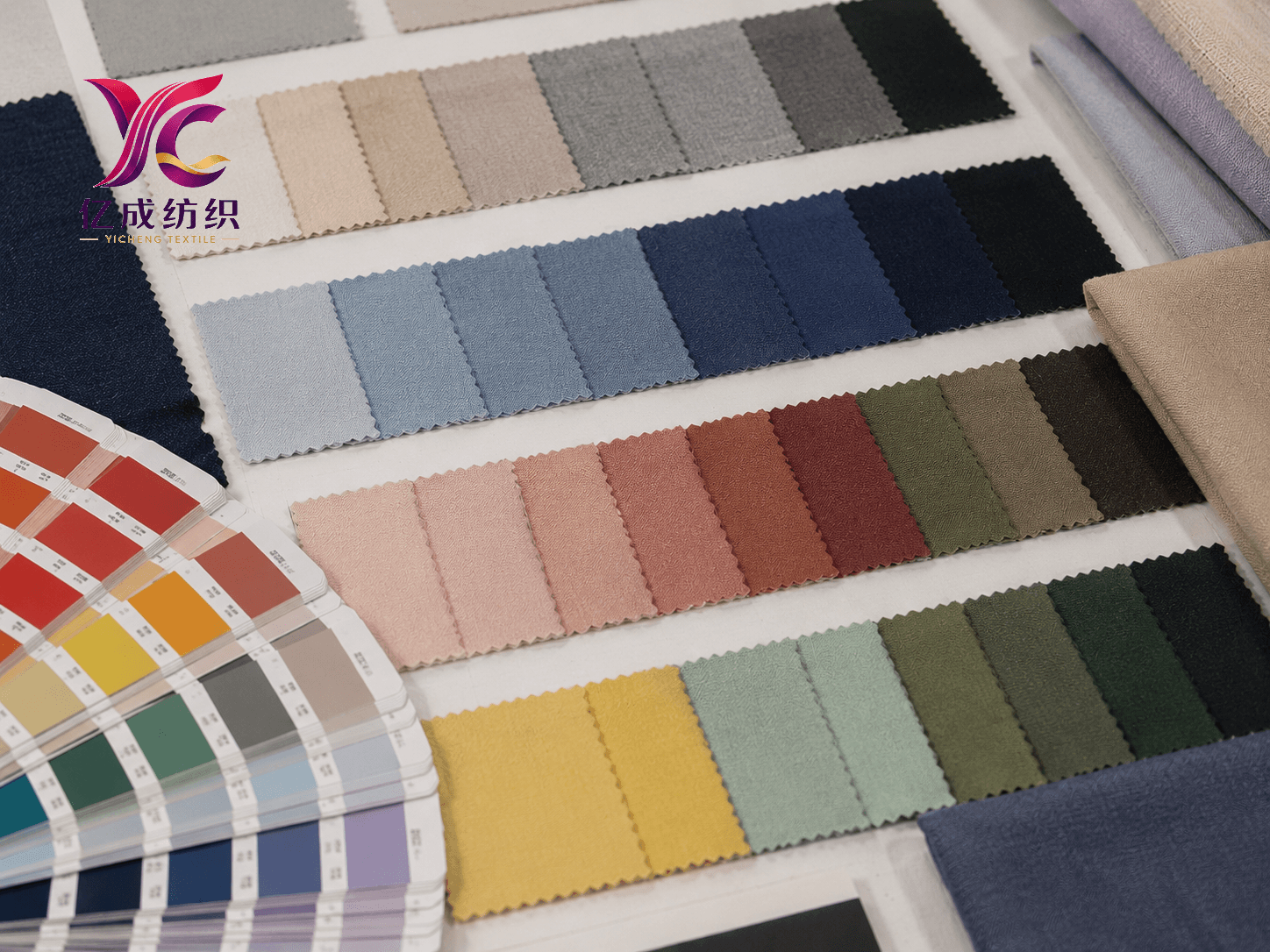
หากปริมาณการสั่งซื้อน้อย ผู้ซื้อสามารถตรวจสอบก่อนว่ามีสีสต็อกที่ใกล้เคียงหรือไม่
!
รหัสสี Pantone คืออะไร?
Pantone เป็นระบบอ้างอิงสีที่ผู้ซื้อและซัพพลายเออร์หลายรายใช้กันทั่วไป
เมื่อผู้ซื้อระบุรหัสสี Pantone ซัพพลายเออร์สามารถใช้เป็นสีเป้าหมายสำหรับการทำตัวอย่างและการย้อมสี
อย่างไรก็ตาม ผู้ซื้อควรเข้าใจว่ารหัสสี Pantone เดียวกันอาจแตกต่างกันบนผ้าชนิดต่างๆ เนื่องจากผลของสีได้รับผลกระทบจากปัจจัยเหล่านี้:
- วัสดุผ้า
- โครงสร้างผ้า
- วิธีการย้อมสี
- แหล่งกำเนิดแสง
- การตกแต่งสำเร็จ
- พื้นผิวผ้า
- ความแตกต่างของสีจากจอหรือรูปถ่าย
ดังนั้นรหัสสี Pantone มีประโยชน์ แต่ก่อนการย้อมผลิตจำนวนมากยังคงต้องยืนยันด้วยตัวอย่างสีจริง
Lab Dip คืออะไร?
Lab Dip คือการย้อมตัวอย่างขนาดเล็กก่อนการย้อมผลิตจำนวนมาก ซึ่งก็คือการทำตัวอย่างสี
ซัพพลายเออร์หรือโรงย้อมจะทำตัวอย่างย้อมเล็กๆ หลายชิ้นตามสีเป้าหมายของผู้ซื้อ เมื่อผู้ซื้ออนุมัติสีที่ใกล้เคียงที่สุดแล้ว จึงเข้าสู่การผลิตจำนวนมาก
การทำตัวอย่างสีช่วยให้ผู้ซื้อยืนยันสีก่อนการย้อมจำนวนมาก
ผ่าน Lab Dip ผู้ซื้อสามารถตรวจสอบ:
- ความแม่นยำของสี
- เฉดสี
- ความแตกต่างของสี
- ปฏิกิริยาของผ้าต่อการย้อม
- ผลภายใต้แสงที่แตกต่างกัน
- ความเหมาะสมสำหรับการผลิตจำนวนมาก
สำหรับคำสั่งซื้อที่ปรับแต่งสี แนะนำว่าอย่าข้ามขั้นตอนการยืนยันตัวอย่างสี
ขั้นตอนการปรับแต่งสีผ้า
โดยทั่วไป การปรับแต่งสีผ้าจะผ่านขั้นตอนต่อไปนี้
ขั้นตอนที่ 1: ผู้ซื้อระบุความต้องการสี
ผู้ซื้อระบุรหัสสี Pantone, ตัวอย่างสี, ตัวอย่างผ้า หรือตัวอย่างเสื้อผ้าสำเร็จรูป
ยิ่งข้อมูลสีชัดเจนมากเท่าไร ซัพพลายเออร์ก็ยิ่งเริ่มจับคู่สีได้ง่ายขึ้น
ขั้นตอนที่ 2: ซัพพลายเออร์ยืนยันประเภทผ้า
ซัพพลายเออร์ต้องยืนยันประเภทผ้า วัสดุ GSM ความกว้าง และองค์ประกอบ
ผ้าชนิดต่างๆ มีความสามารถในการดูดซับสีต่างกัน สีเดียวกันบนผ้าฝ้าย ผ้าโพลีเอสเตอร์ ผ้าดิบ หรือผ้ายืดอาจมีผลไม่เหมือนกัน
ขั้นตอนที่ 3: ทำ Lab Dip
โรงย้อมทำตัวอย่างตามสีเป้าหมาย
บางครั้งซัพพลายเออร์อาจเสนอตัวเลือกหลายแบบ เช่น ตัวอย่าง A, B, C
ขั้นตอนที่ 4: ผู้ซื้อยืนยันสี
ผู้ซื้อตรวจสอบตัวอย่างสีภายใต้แสงที่เหมาะสม และเลือกเวอร์ชันที่อนุมัติ
หากสีไม่ใกล้เคียงเพียงพอ สามารถขอให้ปรับใหม่ได้
ขั้นตอนที่ 5: เริ่มย้อมผลิตจำนวนมาก
หลังจากยืนยันสีแล้ว จึงเข้าสู่การย้อมหรือการผลิตจำนวนมาก
ซัพพลายเออร์ควรใช้ตัวอย่างที่อนุมัติเป็นมาตรฐานสำหรับการผลิตจำนวนมาก
ขั้นตอนที่ 6: ตรวจสอบสีของการผลิตจำนวนมาก
หลังจากการย้อมเสร็จ ซัพพลายเออร์ต้องตรวจสอบความสม่ำเสมอของสีของการผลิตจำนวนมาก
หากเป็นคำสั่งซื้อขนาดใหญ่ ผู้ซื้อสามารถขอตัวอย่างการผลิตหรือตัวอย่างเรือเพื่อยืนยัน
!
ทำไม MOQ สำหรับสีที่ปรับแต่งจึงสูงกว่า?
สีที่ปรับแต่งมักมี MOQ สูงกว่า เนื่องจากการย้อมต้องมีปริมาณขั้นต่ำเพื่อให้การผลิตคุ้มค่า
กระบวนการย้อมอาจรวมถึง:
- การเตรียมผ้า
- การทำตัวอย่างสี
- การจัดตารางเครื่องย้อม
- การเทียบสี
- การซัก
- การตกแต่งสำเร็จ
- การตรวจสอบคุณภาพ
- การบรรจุ
หากปริมาณน้อยเกินไป ต้นทุนการย้อมต่อเมตรจะสูงมาก
ดังนั้น MOQ สำหรับสีที่ปรับแต่งมักคำนวณแยกตาม "แต่ละสี" ไม่ใช่ดูจากปริมาณรวมเท่านั้น
ตัวอย่างเช่น หากผู้ซื้อต้องการ 4 สี แต่ละสีอาจต้องถึง MOQ แยกกัน
การปรับแต่งสีสำหรับผ้าชนิดต่างๆ
ผ้าชนิดต่างๆ ต้องการวิธีการจับคู่สีที่แตกต่างกัน
ผ้าฝ้าย
ผ้าฝ้ายสามารถย้อมได้หลายสี ผู้ซื้อต้องคำนึงถึงการหดตัว ความคงทนของสี และการเปลี่ยนแปลงของมือผ้าหลังการย้อม
ผลิตภัณฑ์ทั่วไป ได้แก่ เสื้อยืด เสื้อเชิ้ต เสื้อผ้าเด็ก และชุดลำลอง
ผ้าโพลีเอสเตอร์
ผ้าโพลีเอสเตอร์มีวิธีการย้อมที่แตกต่างจากผ้าฝ้าย มักใช้ในชุดกีฬา เครื่องแบบ และกระเป๋า
ผู้ซื้อต้องคำนึงถึงความสดใสของสี ความคงทนของสี และความเข้ากันได้กับการพิมพ์
ผ้าดิบ
สีของผ้าดิบมีความสัมพันธ์อย่างมากกับกระบวนการซัก ผู้ซื้อต้องยืนยันว่าจะมีการซักเอนไซม์ ซักหิน ซักฟอก หรือการซักอื่นๆ ในภายหลังหรือไม่
หลังจากการซักเสื้อผ้าสำเร็จรูป สีสุดท้ายอาจเปลี่ยนแปลง
ผ้าถัก
ผ้าถักหลังการย้อมอาจส่งผลต่อความยืดหยุ่น การหดตัว และความกว้าง ผู้ซื้อต้องยืนยัน GSM ความกว้าง และมือผ้าหลังการตกแต่งสำเร็จ
ผ้าทอ
ผ้าทอมักใช้ในเสื้อเชิ้ต เครื่องแบบ ชุดทำงาน และกระเป๋า ผู้ซื้อต้องคำนึงถึงความสม่ำเสมอของสีและความเสถียรของความกว้าง
ความคงทนของสีมีความสำคัญ
ผ้าที่ปรับแต่งสีต้องคำนึงถึงความคงทนของสี
ผู้ซื้อควรตรวจสอบ:
- ความคงทนของสีต่อการซัก
- ความคงทนของสีต่อการขัดถู
- ความคงทนของสีต่อเหงื่อ
- หากจำเป็น ความคงทนของสีต่อแสง
- การติดสีได้ง่าย
- ความแตกต่างของสีระหว่างรุ่นการผลิต
สำหรับเครื่องแบบ ชุดกีฬา และผ้าสีเข้ม ความคงทนของสีมีความสำคัญเป็นพิเศษ
หากผ้าซักแล้วสีตกหรือติดสี จะทำให้เกิดปัญหาคุณภาพร้ายแรง
วิธีการดูสีอย่างถูกต้อง?
การดูสีควรเป็นไปตามมาตรฐานให้มากที่สุด ไม่ควรดูจากรูปถ่ายมือถือเท่านั้น
วิธีที่ดีกว่า ได้แก่:
- ดูตัวอย่าง Lab Dip จริง
- ใช้แหล่งกำเนิดแสงมาตรฐาน
- เปรียบเทียบกับตัวอย่างสีต้นฉบับ
- ดูทั้งภายใต้แสงธรรมชาติและแสงในร่ม
- เก็บตัวอย่างที่อนุมัติไว้เป็นมาตรฐาน
- ยืนยันช่วงความแตกต่างของสีที่ยอมรับได้ก่อนการผลิต
หากเป็นคำสั่งซื้อแบรนด์ ควรเก็บตัวอย่าง Lab Dip หรือตัวอย่างการผลิตที่อนุมัติไว้อย่างดีเพื่อใช้อ้างอิงในการผลิตครั้งต่อไป
ข้อผิดพลาดทั่วไปในการปรับแต่งสี
ผู้ซื้อควรหลีกเลี่ยงปัญหาเหล่านี้:
- ส่งเฉพาะรูปถ่ายมือถือเป็นข้อมูลอ้างอิงสี
- ไม่ระบุ Pantone หรือตัวอย่างสีจริง
- ข้ามการยืนยันตัวอย่างสี
- ไม่ยืนยัน MOQ ของแต่ละสี
- ไม่ตรวจสอบความคงทนของสี
- ไม่เก็บตัวอย่างสีที่อนุมัติ
- ต้องการให้ผ้าชนิดต่างๆ มีสีเหมือนกันทุกประการ
- ไม่คำนึงถึงความแตกต่างของแหล่งกำเนิดแสง
- ไม่ยืนยันรอบการผลิต
การปรับแต่งสีต้องมีการสื่อสารที่ชัดเจนและยืนยันเป็นขั้นตอน
ผู้ซื้อควรให้ข้อมูลอะไรบ้าง?
เพื่อให้ซัพพลายเออร์ดำเนินการปรับแต่งสีได้รวดเร็วยิ่งขึ้น ผู้ซื้อควรให้:
- ประเภทผ้า
- วัสดุหรือองค์ประกอบ
- น้ำหนัก GSM
- ความกว้าง
- รหัสสีหรือตัวอย่างสี
- ปริมาณของแต่ละสี
- การใช้งาน
- ความต้องการตัวอย่างหรือไม่
- วันที่ส่งมอบเป้าหมาย
- ประเทศที่จัดส่ง
- ข้อกำหนดความคงทนของสีหรือไม่
ตัวอย่างเช่น:
"ฉันต้องการผ้าฝ้ายถักเดี่ยว 180 GSM กว้าง 180 cm สี Pantone 19-4023 ละ 1000 เมตร ใช้ผลิตเสื้อยืด"
การสอบถามเช่นนี้ทำให้ซัพพลายเออร์สามารถเสนอราคาและจัดการได้ง่ายขึ้น
สรุป
การปรับแต่งสีผ้าเป็นเรื่องปกติในการผลิตเสื้อผ้าจำนวนมาก ช่วยให้ผู้ซื้อจับคู่สีแบรนด์ สีเครื่องแบบ และสีที่ลูกค้ากำหนด
แต่การปรับแต่งสียังต้องการข้อมูลอ้างอิงสีที่ชัดเจน การยืนยันตัวอย่าง Lab Dip การยืนยัน MOQ รอบการย้อม และการควบคุมคุณภาพ
หากคุณต้องการผ้าฝ้าย ผ้าโพลีเอสเตอร์ ผ้าดิบ ผ้าถัก หรือผ้าทอที่ปรับแต่งสี สามารถส่งความต้องการผ้าของคุณได้ เราสามารถแนะนำผ้าที่เหมาะสมให้กับผู้ซื้อในเวียดนาม ไทย และเอเชียตะวันออกเฉียงใต้ และช่วยยืนยันตัวอย่างสี
คำถามที่พบบ่อย
ผ้าสามารถปรับแต่งสีได้หรือไม่?
ได้ ผ้าส่วนใหญ่สามารถย้อมสีตามที่กำหนดได้ ทั้งนี้ขึ้นอยู่กับประเภทผ้า ปริมาณขั้นต่ำ และการผลิต
Lab Dip คืออะไร?
Lab Dip คือตัวอย่างย้อมขนาดเล็กก่อนการผลิตจำนวนมาก ใช้ยืนยันว่าสีตรงตามข้อกำหนดหรือไม่
การระบุรหัสสี Pantone เพียงพอหรือไม่?
รหัสสี Pantone มีประโยชน์ แต่ก่อนการผลิตจำนวนมาก ควรยืนยันด้วยตัวอย่างสีจริง
ทำไม MOQ สำหรับสีที่ปรับแต่งจึงสูงกว่า?
การปรับแต่งสีต้องมีการเริ่มเดินเครื่องย้อม การเทียบสี และการควบคุมรุ่นการผลิต ดังนั้น MOQ จึงสูงกว่าสีสต็อก
คำสั่งซื้อเล็กสามารถใช้สีสต็อกได้หรือไม่?
ได้ สีสต็อกเหมาะสำหรับคำสั่งซื้อเล็ก คำสั่งซื้อด่วน และคำสั่งซื้อทดลอง


