
Người mua hàng may mặc Thái Lan mua vải từ Trung Quốc như thế nào?
Đăng ngày 15 thg 6, 2022

Đây là hướng dẫn mua vải Trung Quốc dành cho nhà máy may, thương hiệu thời trang và người thu mua vải Thái Lan, giới thiệu cách chọn nhà cung cấp, xác nhận mẫu, so sánh GSM, MOQ, thời gian giao hàng và chất lượng.
Người mua hàng may mặc Thái Lan mua vải từ Trung Quốc như thế nào?
Thái Lan có thị trường ổn định về may mặc, đồng phục, thời trang và dệt may. Nhiều người mua hàng may mặc Thái Lan cần nguồn cung vải ổn định cho các đơn hàng áo thun, đồng phục, đồ thể thao, đầm, túi xách, đồ bảo hộ lao động và quần áo đặt may.
Trung Quốc là một trong những thị trường mua vải quan trọng đối với người mua Thái Lan, vì vải Trung Quốc có chủng loại phong phú, tốc độ lấy mẫu nhanh, hỗ trợ tùy chỉnh linh hoạt và khả năng cung cấp bán buôn mạnh mẽ.
Bài viết này sẽ giới thiệu cách người mua hàng may mặc Thái Lan mua vải từ Trung Quốc hiệu quả hơn, bao gồm loại vải, chọn nhà cung cấp, xác nhận mẫu, GSM, số lượng đặt hàng tối thiểu, thời gian giao hàng và kiểm soát chất lượng.
Tại sao người mua Thái Lan mua vải từ Trung Quốc?
Thái Lan cũng có nguồn tài nguyên dệt may và may mặc trong nước, nhưng khi người mua cần nhiều lựa chọn vải hơn, phát triển mẫu nhanh hơn hoặc yêu cầu thông số kỹ thuật cụ thể, nhiều người vẫn mua vải từ Trung Quốc.
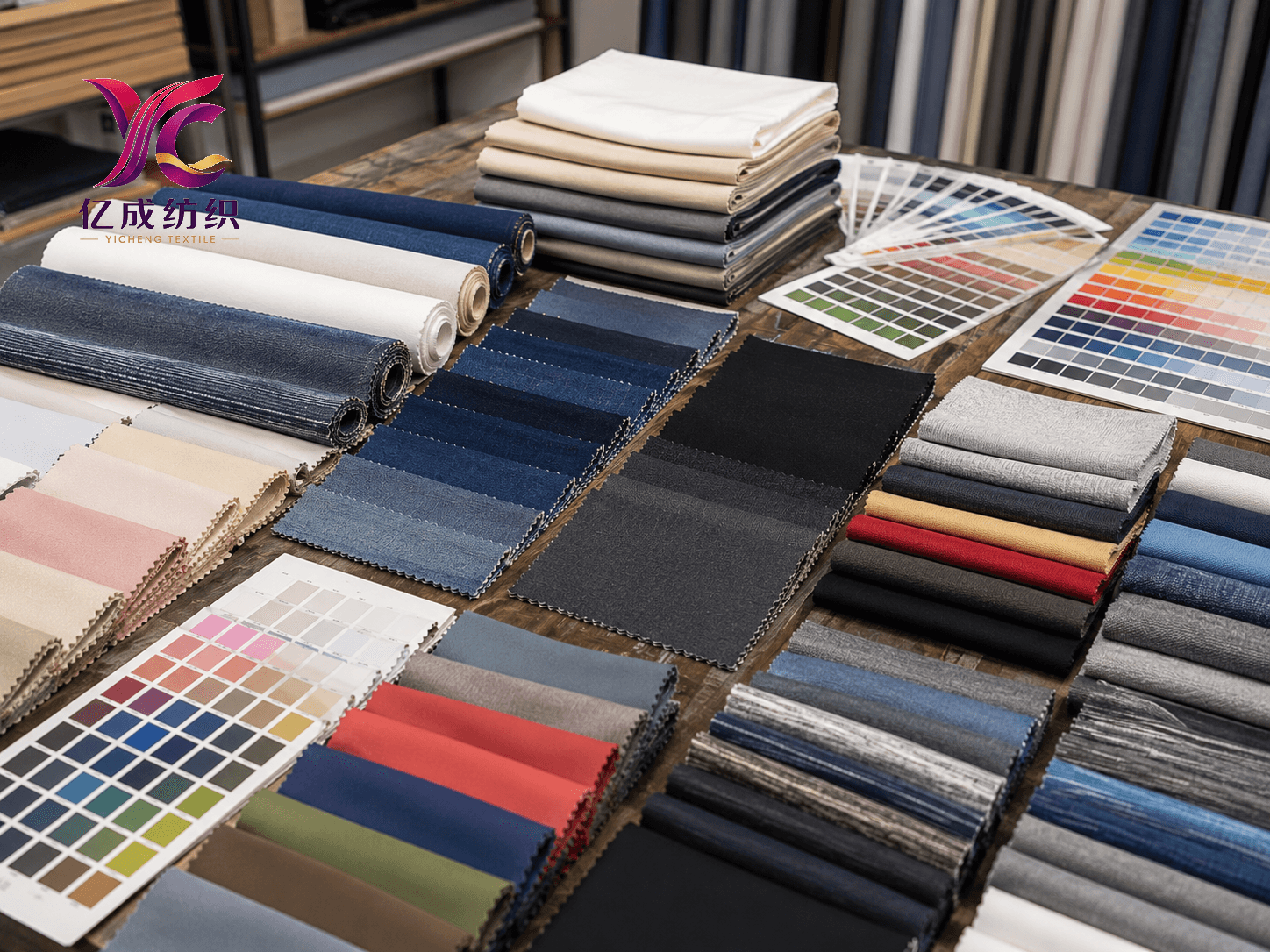
Nhà cung cấp vải Trung Quốc có thể cung cấp nhiều loại vải, ví dụ:
- Vải cotton
- Vải polyester
- Vải denim
- Vải dệt kim
- Vải dệt thoi
- Vải co giãn
- Vải đồng phục
- Vải thể thao
- Vải đầm
- Vải túi xách
- Vải in
Đối với người mua Thái Lan, khi lựa chọn vải trong nước hạn chế, khách hàng cần phát triển mẫu mới nhanh, hoặc dự án yêu cầu GSM, khổ vải, màu sắc, thành phần và xử lý hoàn thiện cụ thể, chuỗi cung ứng Trung Quốc sẽ linh hoạt hơn.
!
Người mua Thái Lan thường mua những loại vải nào?
Các sản phẩm khác nhau cần vải khác nhau.
Vải áo thun
Áo thun thường sử dụng vải cotton single jersey, cotton spandex single jersey, polyester single jersey hoặc vải dệt kim pha.
Người mua cần chú ý đến GSM, khổ vải, tay vải, độ co rút, độ co giãn và màu sắc.
Vải đồng phục
Đồng phục có thể sử dụng vải poly-cotton, vải chéo, vải poplin, vải pique hoặc vải oxford.
Điểm quan trọng là kiểm tra độ bền, độ bền màu, khả năng chống nhăn và dễ bảo quản.
Vải thể thao
Vải thể thao thường sử dụng vải polyester mesh, polyester single jersey, vải co giãn hoặc vải khô nhanh.
Các điểm chính bao gồm độ thoáng khí, độ co giãn, thấm hút mồ hôi, hiệu quả in và sự thoải mái khi mặc.
Vải đầm và váy
Vải đầm và váy có thể sử dụng vải dệt thoi, vải satin, vải voan, vải in, vải rayon, vải polyester hoặc vải pha.
Người mua cần xác nhận độ rũ, tay vải, màu sắc, độ xuyên sáng và độ co rút.
Vải túi xách
Vải túi xách có thể sử dụng vải polyester oxford, vải bạt, vải phủ, vải denim hoặc vải dệt thoi dày hơn.
Tập trung vào độ bền, độ dày, lớp phủ, khả năng chống thấm nước và độ bền màu.
Bước 1: Chuẩn bị yêu cầu vải rõ ràng
Trước khi liên hệ với nhà cung cấp, người mua Thái Lan nên chuẩn bị thông tin vải rõ ràng.
Đề xuất chuẩn bị:
- Loại vải
- Chất liệu hoặc thành phần
- GSM
- Khổ vải
- Màu sắc
- Số lượng
- Mục đích sử dụng
- Cần mẫu hay không
- Giá mục tiêu
- Địa điểm giao hàng tại Thái Lan
- Mẫu vải tham khảo hoặc hình ảnh sản phẩm
Nếu người mua không biết tên vải chính xác, có thể cung cấp hình ảnh sản phẩm hoặc mẫu quần áo hoàn chỉnh để nhà cung cấp giúp đề xuất lựa chọn vải phù hợp.
Bước 2: Chọn nhà cung cấp vải phù hợp
Nhà cung cấp đáng tin cậy không chỉ báo giá thấp mà còn giúp người mua xác nhận thông số, đề xuất phương án thay thế và hỗ trợ xác nhận mẫu.
Khi chọn nhà cung cấp vải, có thể chú ý:
- Chủng loại vải có phong phú không
- Có hỗ trợ mẫu không
- Tốc độ giao tiếp
- Báo giá có rõ ràng không
- Có hiểu GSM và khổ vải không
- Có thể đáp ứng mẫu tham khảo không
- Có hỗ trợ hàng có sẵn và tùy chỉnh không
- Có kinh nghiệm giao hàng không
- Có coi trọng kiểm soát chất lượng không
Nếu muốn hợp tác lâu dài, giao tiếp rõ ràng là rất quan trọng.
Bước 3: Yêu cầu mẫu vải
Mẫu giúp người mua Thái Lan đánh giá vải có phù hợp trước khi đặt hàng số lượng lớn.
Qua mẫu có thể xác nhận:
- Tay vải
- Độ dày mỏng
- GSM
- Độ co giãn
- Màu sắc
- Kết cấu
- Độ rũ
- Độ co rút
- Hiệu quả in hoặc nhuộm
- Biểu hiện khi giặt
Đối với sản xuất may mặc, xác nhận mẫu là bước quan trọng để giảm rủi ro cắt và may.
Bước 4: So sánh GSM, khổ vải và thành phần
Nhiều loại vải trông giống nhau nhưng thực tế có thể khác hoàn toàn.
Ví dụ, hai loại vải polyester single jersey có thể rất giống trong ảnh, nhưng GSM, khổ vải, sợi, xử lý hoàn thiện và tay vải có thể khác biệt lớn.
Người mua cần so sánh:
- GSM
- Khổ vải
- Thành phần
- Độ co giãn
- Độ co rút
- Độ bền màu
- Tay vải
- Cấu trúc vải
- Kết cấu bề mặt
- Mục đích sử dụng cuối cùng
Đừng chỉ so sánh vải theo giá. Giá thấp hơn có thể có nghĩa là GSM thấp hơn, nhuộm không ổn định, co rút nhiều hơn hoặc chất lượng kém hơn.
Bước 5: Xác nhận số lượng đặt hàng tối thiểu và giá số lượng lớn
Số lượng tối thiểu phụ thuộc vào loại vải, màu sắc, tình trạng hàng có sẵn và có cần tùy chỉnh hay không.
Hàng có sẵn thường có số lượng tối thiểu thấp hơn. Màu sắc tùy chỉnh, nhuộm đặc biệt, in, GSM tùy chỉnh hoặc xử lý hoàn thiện đặc biệt thường yêu cầu số lượng tối thiểu cao hơn.
Người mua Thái Lan cần hỏi rõ:
- Số lượng tối thiểu mỗi màu
- Số lượng tối thiểu mỗi loại vải
- Phí mẫu
- Giá số lượng lớn
- Số lượng tối thiểu cho nhuộm tùy chỉnh
- Thời gian sản xuất
- Phương thức đóng gói
- Phương thức thanh toán
Nếu người mua chỉ đang thử nghiệm mẫu mới, hàng có sẵn hoặc vải có số lượng tối thiểu thấp sẽ phù hợp hơn để bắt đầu.
Bước 6: Sắp xếp vận chuyển từ Trung Quốc đến Thái Lan
!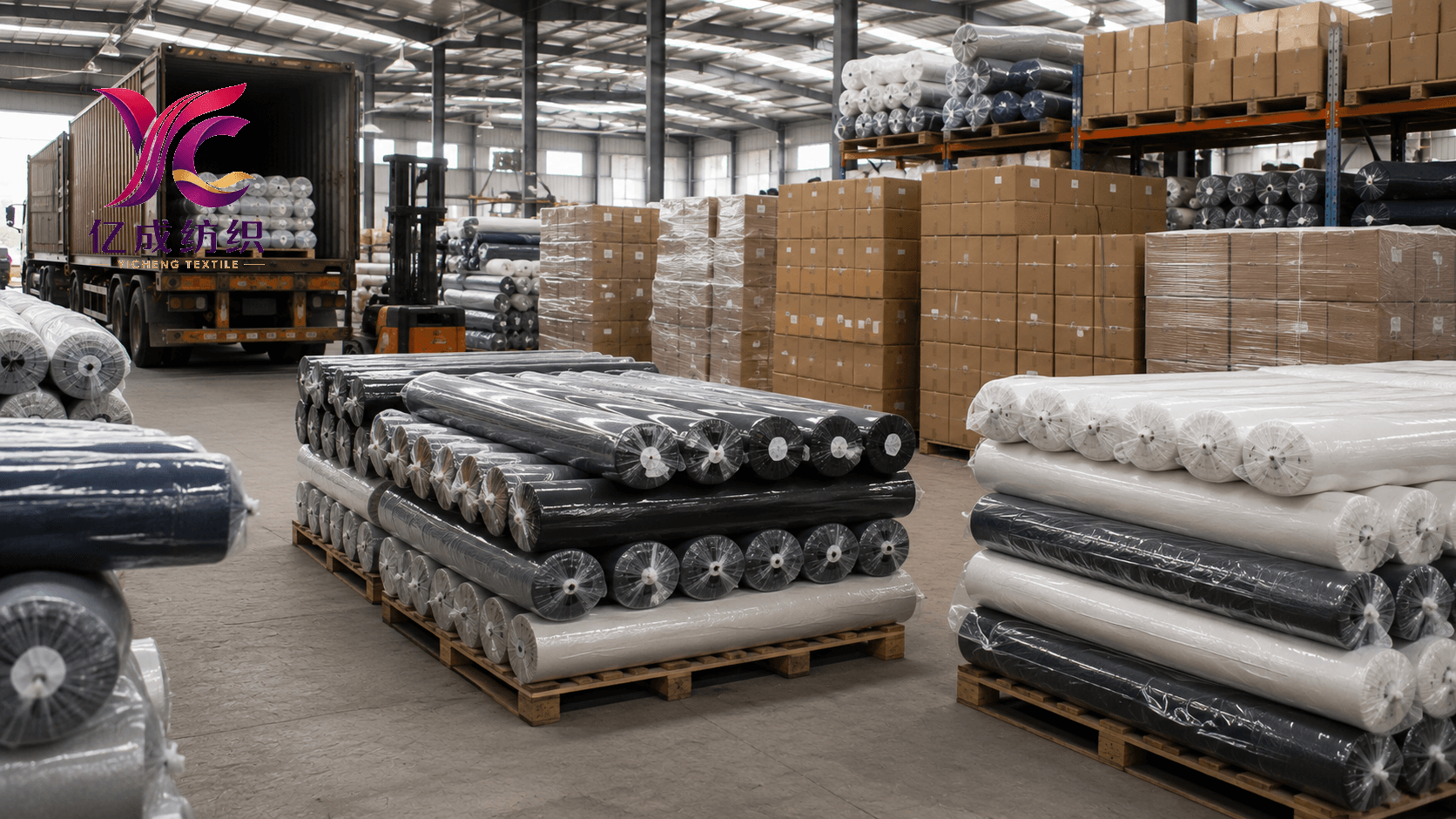
Thời gian giao hàng và phương thức vận chuyển phụ thuộc vào quy mô đơn hàng và mức độ khẩn cấp.
Các phương thức phổ biến bao gồm:
- Mẫu gửi chuyển phát nhanh
- Đơn hàng gấp gửi hàng không
- Hàng số lượng lớn gửi đường biển
- Chọn logistics xuyên biên giới theo hỗ trợ của nhà cung cấp
Trước khi đặt hàng, người mua cần xác nhận:
- Thời gian giao hàng dự kiến
- Thể tích đóng gói
- Chi phí vận chuyển
- Yêu cầu nhập khẩu
- Địa chỉ nhận hàng
- Điều khoản thương mại hoặc phương thức vận chuyển đã thỏa thuận
Nếu mua hàng thường xuyên, thiết lập quy trình vận chuyển ổn định có thể giảm chi phí và giảm chậm trễ.
Bước 7: Kiểm tra chất lượng trước khi sản xuất hàng loạt
Trước khi cắt may, người mua nên kiểm tra kỹ chất lượng vải.
Các điểm kiểm tra quan trọng:
- GSM
- Khổ vải
- Độ đồng nhất màu sắc
- Khuyết tật trên bề mặt vải
- Độ co rút
- Độ bền màu
- Độ co giãn và phục hồi
- Tay vải
- Tình trạng đóng gói
Đối với người mua hàng may mặc Thái Lan, kiểm soát chất lượng vải có thể giảm tổn thất sản xuất và khiếu nại của khách hàng.
Lỗi thường gặp
Khi mua vải từ Trung Quốc, người mua cần tránh những lỗi sau:
- Chỉ so sánh giá
- Không xác nhận GSM
- Không kiểm tra khổ vải
- Không yêu cầu mẫu
- Bỏ qua độ co rút
- Bỏ qua độ bền màu
- Không xác nhận số lượng tối thiểu
- Không xác nhận thời gian giao hàng
- Chỉ dùng hình ảnh mờ để xác nhận vải
- Chọn nhà cung cấp giao tiếp không rõ ràng
Nhà cung cấp tốt nên giúp người mua xác nhận chi tiết rõ ràng, giảm hiểu lầm.
Tại sao Chợ Vải Quảng Châu phù hợp để tìm vải?
Quảng Châu có thị trường vải phát triển và nhiều nhà cung cấp vải. Người mua có thể tìm vải cotton, polyester, denim, dệt kim, dệt thoi, in và nhiều loại vải khác.
Đối với người mua Thái Lan, tìm vải tại Quảng Châu có một số lợi thế:
- Nhiều lựa chọn vải
- Tốc độ lấy mẫu nhanh
- Có thể so sánh chất lượng khác nhau
- Dễ dàng giao tiếp tùy chỉnh màu sắc và GSM
- Nhà cung cấp quen thuộc với nhu cầu nhà máy may
- Phù hợp cho đơn hàng lặp lại và phát triển mẫu mới
Nếu người mua cần lấy mẫu linh hoạt và ghép vải nhanh, Chợ Vải Quảng Châu và chuỗi cung ứng xung quanh sẽ rất hữu ích.
Cách gửi yêu cầu báo giá chất lượng cao?
Yêu cầu rõ ràng giúp nhà cung cấp báo giá nhanh hơn.
Một yêu cầu tốt nên bao gồm:
- Tên vải hoặc mục đích sử dụng sản phẩm
- Chất liệu và thành phần
- GSM
- Khổ vải
- Màu sắc
- Số lượng
- Có cần mẫu không
- Quốc gia giao hàng
- Giá mục tiêu
- Nếu có hình ảnh tham khảo, cũng có thể gửi
Ví dụ, đừng chỉ nói "Tôi muốn vải cotton", cách diễn đạt tốt hơn là: "Tôi cần vải cotton single jersey, 180 GSM, khổ 180 cm, màu đen và trắng, dùng sản xuất áo thun, giao đến Thái Lan."
Tổng kết
Người mua hàng may mặc Thái Lan có thể mua nhiều loại vải từ Trung Quốc, bao gồm vải cotton, polyester, denim, dệt kim, dệt thoi, co giãn, đồng phục, thể thao và vải túi xách.
Chìa khóa để mua hàng thành công là: giao tiếp rõ ràng nhu cầu, xác nhận mẫu, so sánh thông số, xác nhận số lượng tối thiểu, sắp xếp thời gian giao hàng và thực hiện kiểm soát chất lượng trước khi sản xuất.
Nếu bạn đang tìm nhà cung cấp vải Trung Quốc cho đơn hàng may mặc Thái Lan, có thể gửi yêu cầu trực tiếp. Chúng tôi có thể đề xuất vải phù hợp cho sản xuất áo thun, đồng phục, đồ thể thao, đầm, túi xách và đồ bảo hộ lao động.
Câu hỏi thường gặp
Người mua Thái Lan có thể mua vải từ Trung Quốc không?
Có. Nhiều người mua hàng may mặc Thái Lan mua vải từ Trung Quốc để có nhiều lựa chọn vải hơn, hỗ trợ mẫu và nguồn cung bán buôn.
Khi yêu cầu báo giá nên gửi thông tin gì?
Nên gửi loại vải, chất liệu, GSM, khổ vải, màu sắc, số lượng, mục đích sử dụng, nhu cầu mẫu và quốc gia giao hàng.
Có thể lấy mẫu trước khi đặt hàng số lượng lớn không?
Có. Trước khi đặt hàng bán buôn, nên xác nhận mẫu trước.
Người mua Thái Lan thường nhập khẩu vải nào từ Trung Quốc?
Vải phổ biến bao gồm vải cotton, polyester, denim, dệt kim, dệt thoi, co giãn và vải đồng phục.
Có thể tùy chỉnh GSM và màu sắc không?
Có. Nhiều loại vải có thể tùy chỉnh GSM, khổ vải, màu sắc và xử lý hoàn thiện tùy theo số lượng tối thiểu và tình trạng sản xuất.


