
ใช้ผ้าชนิดใดสำหรับกระเป๋าเดินทางและเป้? คู่มือการจัดซื้อสำหรับโรงงานผลิตกระเป๋า
เผยแพร่ 15 มี.ค. 2568

แนะนำวิธีการเลือกผ้าสำหรับกระเป๋าเดินทางและเป้สำหรับผู้ซื้อผ้าขายส่งและโรงงานผลิตกระเป๋า รวมถึงผ้าอ๊อกฟอร์ดโพลีเอสเตอร์ ผ้าแคนวาส ผ้าไนลอน ผ้าเคลือบ ผ้ากันน้ำ น้ำหนักกรัม (GSM) จำนวนดีเนียร์ (D) ความทนทานต่อการเสียดสี และปริมาณสั่งผลิตขั้นต่ำ (MOQ)
ใช้ผ้าชนิดใดสำหรับกระเป๋าเดินทางและเป้? คู่มือการจัดซื้อสำหรับโรงงานผลิตกระเป๋า
กระเป๋าเดินทางและเป้ต้องการความแข็งแรงของผ้าสูงกว่าผ้าสำหรับเสื้อผ้าทั่วไป ผ้าสำหรับกระเป๋าต้องรับน้ำหนัก การเสียดสี การใช้งานประจำวัน สภาพแวดล้อมกลางแจ้ง แรงดึงจากการเย็บ และบางครั้งต้องมีคุณสมบัติกันน้ำหรือกันซึม
สำหรับโรงงานผลิตกระเป๋าและผู้ซื้อผ้าขายส่ง การเลือกผ้าที่ถูกต้องส่งผลต่อความทนทานของผลิตภัณฑ์ รูปลักษณ์ ต้นทุน ประสิทธิภาพการผลิต และความพึงพอใจของลูกค้า
บทความนี้จะแนะนำวิธีการเลือกผ้าสำหรับกระเป๋าเดินทางและเป้ รวมถึงผ้าอ๊อกฟอร์ดโพลีเอสเตอร์ ผ้าแคนวาส ผ้าไนลอน ผ้าเคลือบ ผ้ากันน้ำ จำนวนดีเนียร์ (D) น้ำหนักกรัม (GSM) ความทนทานต่อการเสียดสี ผ้าซับใน และการควบคุมคุณภาพ
เหตุใดการเลือกผ้าสำหรับกระเป๋าจึงสำคัญ?
ผ้าสำหรับกระเป๋าต้องรับแรงกดในการใช้งานมากกว่าผ้าสำหรับเสื้อผ้าทั่วไป
การเลือกผ้าผิดอาจทำให้เกิด:
- โครงสร้างไม่ดี
- ฉีกขาดง่าย
- ทนต่อการเสียดสีไม่ดี
- สารเคลือบหลุดลอก
- กันน้ำไม่ดี
- สีซีดจาง
- ดูย่น
- เย็บยาก
- ลูกค้าร้องเรียน
- อายุการใช้งานสั้น
เป้ กระเป๋านักเรียน กระเป๋าช้อปปิ้ง กระเป๋าเดินทาง และกระเป๋าสำหรับกิจกรรมกลางแจ้ง ต้องให้ความสำคัญกับความแข็งแรงของผ้า
ก่อนวางคำสั่งซื้อจำนวนมาก ผู้ซื้อควรยืนยันประเภทผลิตภัณฑ์ ความแข็งแรงของผ้า สารเคลือบ สี น้ำหนักกรัม (GSM) จำนวนดีเนียร์ (D) ผ้าซับใน และข้อกำหนดด้านคุณภาพ
ผ้าที่ใช้ทั่วไปสำหรับกระเป๋าเดินทางและเป้
ผ้าอ๊อกฟอร์ดโพลีเอสเตอร์
ผ้าอ๊อกฟอร์ดโพลีเอสเตอร์เป็นหนึ่งในผ้าที่พบบ่อยมากสำหรับกระเป๋าเดินทางและเป้
มีความทนทาน ต้นทุนปานกลาง และเหมาะสำหรับการเคลือบหรือตกแต่งกันน้ำ
การใช้งานทั่วไป ได้แก่:
- เป้
- กระเป๋านักเรียน
- กระเป๋าช้อปปิ้ง
- กระเป๋าเดินทาง
- กระเป๋าเก็บของ
- กระเป๋าสำหรับกิจกรรมกลางแจ้ง
- กระเป๋าโฆษณา
- กระเป๋าเครื่องมือ
ผู้ซื้อต้องตรวจสอบจำนวนดีเนียร์ (D) สารเคลือบ ความหนา สัมผัส ความต้านทานการฉีกขาด ความคงทนของสี และคุณสมบัติกันน้ำ
ผ้าอ๊อกฟอร์ดโพลีเอสเตอร์เป็นทางเลือกที่ใช้งานได้จริงสำหรับคำสั่งซื้อจำนวนมาก
ผ้าไนลอน
ผ้าไนลอนมักใช้สำหรับกระเป๋าที่ต้องการความแข็งแรง น้ำหนักเบา หรือสัมผัสที่ดีกว่า
เหมาะสำหรับ:
- เป้สำหรับกิจกรรมกลางแจ้ง
- กระเป๋าเดินทาง
- กระเป๋ากีฬา
- กระเป๋าน้ำหนักเบา
- เป้คุณภาพสูง
- กระเป๋าพับได้
ผ้าไนลอนมักมีสัมผัสนุ่มกว่าผ้าโพลีเอสเตอร์บางประเภท และมีประสิทธิภาพด้านความแข็งแรงดี แต่ราคาอาจสูงกว่า ขึ้นอยู่กับสเปก
ผู้ซื้อต้องตรวจสอบความต้านทานการฉีกขาด ความทนทานต่อการเสียดสี คุณภาพของสารเคลือบ และความคงทนของสี
ผ้าแคนวาส
ผ้าแคนวาสเป็นผ้าทอที่แข็งแรง นิยมใช้สำหรับกระเป๋าลำลอง กระเป๋าโท้ท กระเป๋าแฟชั่น และกระเป๋าเครื่องมือ
ผ้าแคนวาสอาจเป็นผ้าฝ้ายแคนวาส ผ้าฝ้ายผสมโพลีเอสเตอร์แคนวาส หรือผ้าใยสังเคราะห์แคนวาส
การใช้งานทั่วไป ได้แก่:
- กระเป๋าโท้ท
- เป้ลำลอง
- กระเป๋าช้อปปิ้ง
- ผ้ากันเปื้อน
- กระเป๋าเครื่องมือ
- กระเป๋าแฟชั่น
- กระเป๋าสไตล์กลางแจ้ง
ผ้าแคนวาสมีลักษณะที่เป็นธรรมชาติและแข็งแรง ผู้ซื้อต้องตรวจสอบน้ำหนักกรัม ความหนา อัตราการหดตัว ความคงทนของสี และประสิทธิภาพการซัก
ผ้าเคลือบ
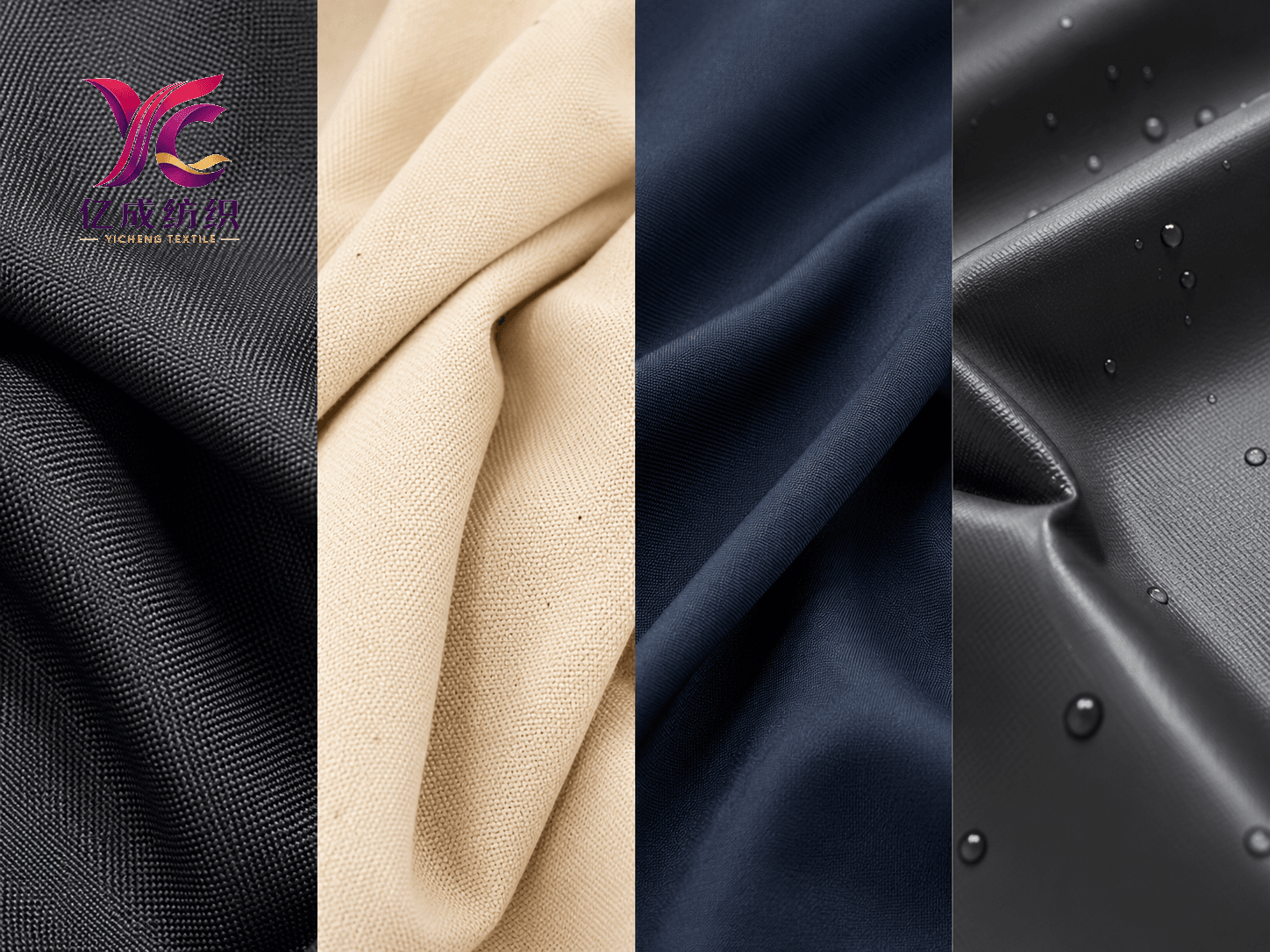
ผ้าเคลือบคือผ้าที่มีการเคลือบชั้นหนึ่งบนพื้นผิวหรือด้านหลัง
สารเคลือบที่พบบ่อย ได้แก่:
- สารเคลือบ PU
- สารเคลือบ PVC
- สารเคลือบ PA
- สารเคลือบกันน้ำ
- สารเคลือบสีขาวขุ่น
- สารเคลือบสีเงิน
สารเคลือบช่วยเพิ่มคุณสมบัติกันน้ำ ความแข็ง รูปลักษณ์ และความทนทาน
ผู้ซื้อต้องตรวจสอบความหนาของสารเคลือบ ความเสี่ยงในการหลุดลอก สัมผัส กลิ่น คุณสมบัติกันน้ำ และความยืดหยุ่น
!
ผ้ากันน้ำ
ผ้ากันน้ำหรือกันซึมเหมาะสำหรับกระเป๋ากลางแจ้ง กระเป๋านักเรียน กระเป๋าเดินทาง และกระเป๋ากีฬา
คุณสมบัติกันน้ำอาจมาจาก:
- สารเคลือบ PU
- สารเคลือบ PVC
- การตกแต่งกันซึม
- ฟิล์มคอมโพสิต
- โครงสร้างการทอที่มีความหนาแน่นสูง
- การเคลือบฐานพิเศษ
ผู้ซื้อต้องเข้าใจความแตกต่างระหว่างการกันซึมและการกันน้ำที่แท้จริง ผ้าสำหรับกระเป๋าหลายชนิดสามารถต้านทานฝนเล็กน้อยได้ แต่ไม่เหมาะกับการแช่น้ำเป็นเวลานาน
ผ้าเดนิม
ผ้าเดนิมสามารถใช้สำหรับกระเป๋าลำลองและเป้แฟชั่น
มีรูปลักษณ์ที่มีสไตล์และโครงสร้างแข็งแรง
ผู้ซื้อต้องตรวจสอบความคงทนของสี ความคงทนของสีต่อการเสียดสี อัตราการหดตัว และประสิทธิภาพการเย็บ ผ้าเดนิมย้อมครามอาจมีปัญหาสีตกหรือสีติดจากการเสียดสี ขึ้นอยู่กับการตกแต่ง
ผ้าไม่ทอ
ผ้าไม่ทอมักใช้สำหรับกระเป๋าช้อปปิ้งต้นทุนต่ำ กระเป๋าโฆษณา และถุงบรรจุภัณฑ์
มีน้ำหนักเบาและประหยัด
ผู้ซื้อต้องตรวจสอบความหนา ความแข็งแรง ความเหมาะสมในการพิมพ์ และราคา
จำนวนดีเนียร์ (D) ในผ้าสำหรับกระเป๋าหมายถึงอะไร?
จำนวนดีเนียร์ (Denier) คือสเปกทั่วไปของผ้าใยสังเคราะห์สำหรับกระเป๋า
สเปกทั่วไป ได้แก่:
- 210D
- 300D
- 420D
- 600D
- 900D
- 1000D
- 1680D
ความเข้าใจง่ายๆ คือ ยิ่งดีเนียร์สูง เส้นด้ายมักจะหนาขึ้น ผ้าอาจหนาและแข็งแรงขึ้น แต่คุณภาพสุดท้ายยังขึ้นอยู่กับความหนาแน่นของการทอ สารเคลือบ และการตกแต่ง
ตัวอย่าง:
- 210D มักใช้สำหรับผ้าซับในหรือกระเป๋าน้ำหนักเบา
- 420D ใช้สำหรับกระเป๋าที่มีความแข็งแรงปานกลาง
- 600D ผ้าอ๊อกฟอร์ดโพลีเอสเตอร์มักใช้สำหรับเป้และกระเป๋านักเรียน
- 900D หรือ 1000D ใช้สำหรับกระเป๋าที่แข็งแรงขึ้น
- 1680D ใช้สำหรับกระเป๋าหนักและผลิตภัณฑ์ประเภทกระเป๋าเดินทาง
ผู้ซื้อไม่ควรดูเฉพาะดีเนียร์ แต่ต้องดูสารเคลือบ ความหนาแน่น และการตกแต่งด้วย
น้ำหนักกรัม (GSM) และความหนา
GSM คือน้ำหนักผ้าต่อตารางเมตร บ่งบอกถึงน้ำหนักของผ้า
สำหรับผ้าสำหรับกระเป๋า GSM ส่งผลต่อ:
- ความหนา
- สัมผัส
- โครงสร้าง
- ความแข็งแรง
- ต้นทุน
- น้ำหนักการขนส่ง
- รูปทรงของกระเป๋าสำเร็จรูป
ผ้าที่หนักกว่าอาจมีความแข็งแรงมากกว่า แต่ก็เพิ่มต้นทุนและน้ำหนัก
กระเป๋าน้ำหนักเบาสามารถเลือก GSM ต่ำได้ เป้และกระเป๋าเครื่องมืออาจต้องการผ้าที่มีความแข็งแรงและหนากว่า
ความทนทานต่อการเสียดสี
กระเป๋าในการใช้งานประจำวันจะเสียดสีกับเสื้อผ้า พื้น ที่นั่ง ผนัง และสภาพแวดล้อมกลางแจ้งบ่อยครั้ง
ความทนทานต่อการเสียดสีมีความสำคัญสำหรับผลิตภัณฑ์เหล่านี้:
- เป้
- กระเป๋านักเรียน
- กระเป๋าเดินทาง
- กระเป๋ากลางแจ้ง
- กระเป๋าเครื่องมือ
- กระเป๋าคอมพิวเตอร์
- กระเป๋ากีฬา
ถ้าความทนทานต่อการเสียดสีไม่ดี พื้นผิวผ้าจะสึกหรออย่างรวดเร็ว
ผู้ซื้อควรสอบถามผู้จำหน่ายว่าผ้านี้เหมาะสำหรับการใช้งานกระเป๋าปลายทางหรือไม่
ความต้านทานการฉีกขาด
ความต้านทานการฉีกขาดเป็นตัวบ่งชี้สำคัญสำหรับผ้าสำหรับกระเป๋า
เป้อาจใส่หนังสือ คอมพิวเตอร์ เสื้อผ้า หรือเครื่องมือ ผ้าต้องทนต่อแรงดึงและความเสี่ยงในการฉีกขาดระหว่างการใช้งาน
ตำแหน่งเหล่านี้ต้องให้ความสำคัญเป็นพิเศษ:
- บริเวณสายสะพาย
- ผ้าด้านล่าง
- บริเวณหูหิ้ว
- บริเวณซิป
- จุดรับแรง
- กระเป๋ากลางแจ้ง
- กระเป๋าหนัก
หากผลิตภัณฑ์ต้องการความแข็งแรงสูงขึ้น อาจพิจารณาผ้าอ๊อกฟอร์ดที่หนาขึ้น ผ้าไนลอน หรือผ้าเสริมความแข็งแรง
คุณสมบัติกันน้ำ
ผู้ซื้อกระเป๋าหลายรายจะขอให้ผ้ามีคุณสมบัติกันน้ำหรือกันซึม
แต่ผู้ซื้อต้องยืนยันความต้องการที่แท้จริงก่อน:
- กันซึมเล็กน้อย
- กันฝน
- สารเคลือบกันน้ำ
- กันซึมที่ผิว
- ข้อกำหนดด้านแรงดันน้ำ
- การใช้งานกลางแจ้ง
- การใช้งานประจำวันเท่านั้น
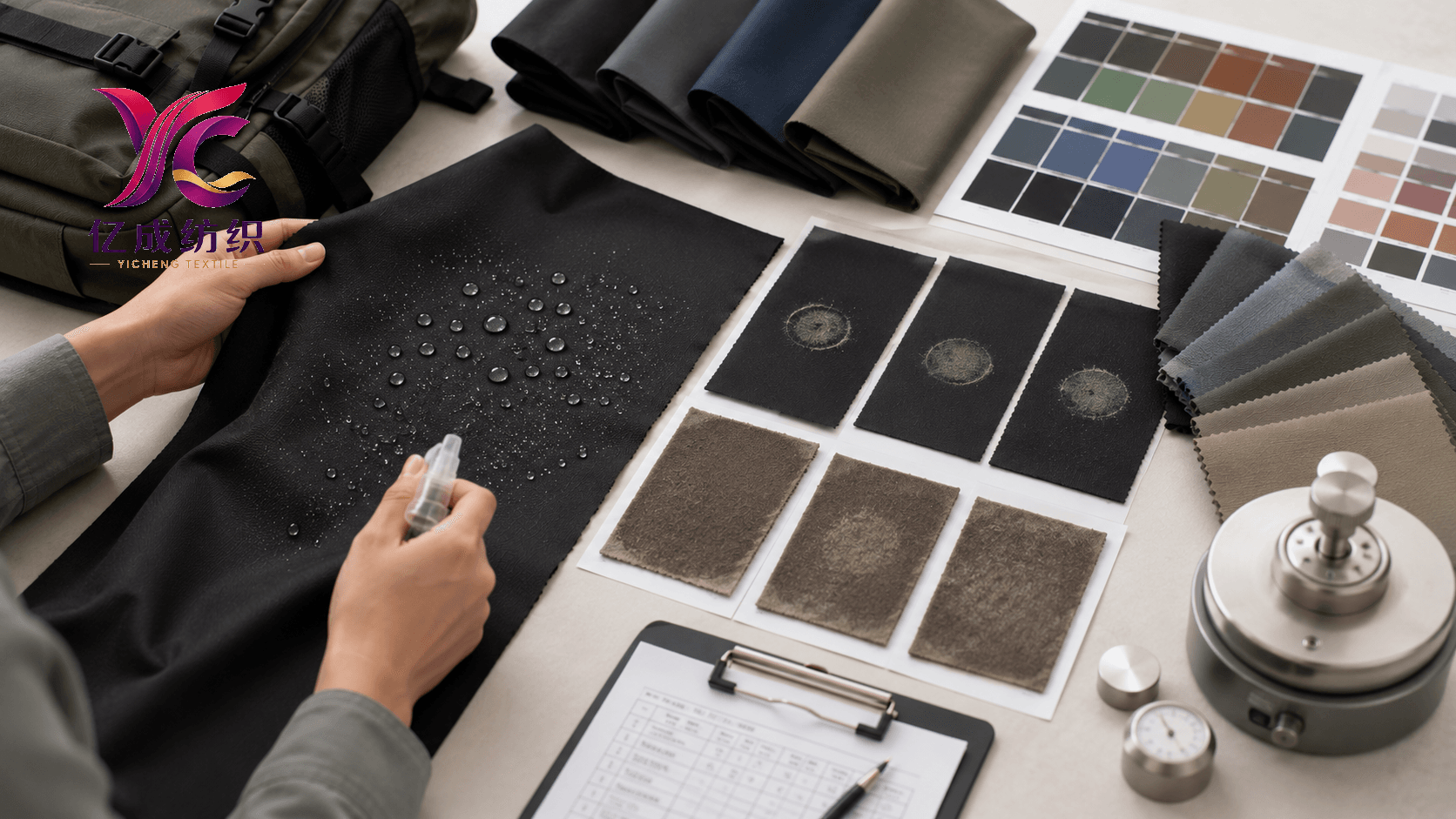
ประสิทธิภาพการกันน้ำไม่เพียงขึ้นอยู่กับผ้า แต่ยังขึ้นอยู่กับด้ายเย็บ รอยต่อ ซิป และโครงสร้างของกระเป๋าด้วย
แม้ว่าผ้าจะกันน้ำได้เอง หากไม่มีการจัดการรอยต่อ น้ำอาจซึมผ่านรูเข็มหรือซิปได้
!
คุณภาพของสารเคลือบ
คุณภาพของสารเคลือบส่งผลต่อประสิทธิภาพการใช้งานและความทนทานของกระเป๋า
สารเคลือบที่ไม่ดีอาจทำให้เกิด:
- การแยกชั้น
- แตก
- ผิวเหนียว
- มีกลิ่นแรง
- สารเคลือบไม่สม่ำเสมอ
- ความยืดหยุ่นต่ำ
- คุณสมบัติกันน้ำไม่เพียงพอ
ผู้ซื้อสามารถประเมินสารเคลือบเบื้องต้นได้โดยการสัมผัส ดัด ยืด และทดสอบตัวอย่างผ้า
สำหรับกระเป๋าที่ใช้งานเป็นเวลานาน ความทนทานของสารเคลือบมีความสำคัญมาก
ผ้าซับในสำหรับกระเป๋า
กระเป๋าหลายใบต้องใช้ผ้าซับในภายใน
ผ้าซับในทั่วไป ได้แก่:
- ผ้าโพลีเอสเตอร์ 150D
- ผ้าโพลีเอสเตอร์ 190T
- ผ้าโพลีเอสเตอร์ 210D
- ผ้าตาฟีต้า
- ผ้าอ๊อกฟอร์ดบางเบา
- ผ้าซับในไม่ทอ
ผ้าซับในช่วยปรับปรุงรูปลักษณ์ภายในและปกป้องโครงสร้างของกระเป๋า
ผู้ซื้อต้องตรวจสอบสีของผ้าซับใน ความแข็งแรง สัมผัส สารเคลือบ และประสิทธิภาพการเย็บ
ความคงทนของสี
ผ้าสำหรับกระเป๋าในการใช้งานประจำวันจะเสียดสีกับเสื้อผ้า ดังนั้นความคงทนของสีจึงสำคัญ
ผู้ซื้อต้องตรวจสอบ:
- ความคงทนของสีต่อการเสียดสี
- หากต้องซัก ต้องตรวจสอบความคงทนของสีต่อการซัก
- สีตกหรือติดหรือไม่
- สีซีดจางหรือไม่
- กระเป๋ากลางแจ้งต้องการความคงทนของสีต่อแสงหรือไม่
- ความแตกต่างของสีระหว่างม้วนผ้าหรือไม่
ผ้าสีเข้ม เช่น สีดำ สีกรมท่า สีน้ำตาล สีเขียวเข้ม ต้องตรวจสอบอย่างละเอียด
สำหรับกระเป๋าเดนิม ความคงทนของสีต่อการเสียดสีมีความสำคัญเป็นพิเศษ
การพิมพ์และเทคนิคโลโก้
กระเป๋าหลายใบต้องพิมพ์โลโก้ ถ่ายโอนความร้อน ปัก หรือทอป้าย
ก่อนเลือกผ้า ผู้ซื้อต้องยืนยันเทคนิค:
- การพิมพ์สกรีน
- การถ่ายโอนความร้อน
- การพิมพ์ระเหิด
- การปัก
- ป้ายทอ
- ตรายาง
- การพิมพ์ดิจิทัล
พื้นผิวผ้าต้องเหมาะสมกับเทคนิคที่เกี่ยวข้อง
ผ้าเคลือบอาจต้องใช้วิธีการพิมพ์พิเศษ หรือต้องทดสอบความคงทนของการพิมพ์ก่อนการผลิตจำนวนมาก
วิธีการเลือกผ้าสำหรับกระเป๋าประเภทต่างๆ?
เป้
เป้มักต้องการผ้าที่ทนทาน มีความต้านทานการฉีกขาดดี และทนต่อการเสียดสี
ตัวเลือกทั่วไป ได้แก่ ผ้าอ๊อกฟอร์ดโพลีเอสเตอร์ 600D ผ้าอ๊อกฟอร์ด 900D ผ้าไนลอน และผ้าเคลือบ
กระเป๋านักเรียน
กระเป๋านักเรียนต้องการสีที่คงที่ ทนทาน และต้นทุนที่ควบคุมได้
ผ้าอ๊อกฟอร์ดโพลีเอสเตอร์ 600D เป็นตัวเลือกทั่วไป
กระเป๋าโท้ท
กระเป๋าโท้ทสามารถใช้ผ้าแคนวาส ผ้าฝ้าย ผ้าโพลีเอสเตอร์ หรือผ้าไม่ทอ
ผ้าแคนวาสมักใช้สำหรับกระเป๋าโท้ทที่ใช้ซ้ำได้และสไตล์ลำลอง
กระเป๋าเดินทาง
กระเป๋าเดินทางต้องการผ้าที่แข็งแรงขึ้นและสารเคลือบที่ดี
ผ้าอ๊อกฟอร์ดโพลีเอสเตอร์ ผ้าไนลอน และผ้าเคลือบหนักเป็นตัวเลือกทั่วไป
กระเป๋ากลางแจ้ง
กระเป๋ากลางแจ้งอาจต้องการคุณสมบัติกันน้ำที่ดีขึ้น ทนต่อการเสียดสี และความต้านทานการฉีกขาด
ผ้าไนลอน ผ้าอ๊อกฟอร์ดดีเนียร์สูง และผ้าเคลือบเหมาะสม
กระเป๋าโฆษณา
กระเป๋าโฆษณามักต้องควบคุมต้นทุนและมีผลการพิมพ์ที่ดี
ผ้าไม่ทอ ผ้าโพลีเอสเตอร์ และผ้าอ๊อกฟอร์ดบางเบาเป็นตัวเลือกที่ใช้งานได้จริง
คำแนะนำผ้าสำหรับผู้ซื้อในเวียดนามและไทย
ผู้ซื้อในเวียดนาม ไทย และเอเชียตะวันออกเฉียงใต้มักต้องการผ้าสำหรับกระเป๋าที่เหมาะสมกับสภาพอากาศร้อนชื้นและตลาดการใช้งานประจำวัน
คำแนะนำให้คำนึงถึง:
- ความเสถียรของสารเคลือบ
- คุณสมบัติกันน้ำหากจำเป็น
- ความคงทนของสีที่เสถียร
- ความทนทานต่อการเสียดสี
- MOQ ที่ยืดหยุ่น
- ความเหมาะสมในการพิมพ์
- การจัดหาที่เสถียร
- ความคุ้มค่า
สำหรับกระเป๋านักเรียนและเป้ สามารถพิจารณาผ้าอ๊อกฟอร์ดโพลีเอสเตอร์ก่อน สำหรับกระเป๋าโท้ทพิจารณาผ้าแคนวาสและผ้าไม่ทอ สำหรับกระเป๋ากลางแจ้งพิจารณาผ้าไนลอนหรือผ้าเคลือบดีเนียร์สูง
ผู้ซื้อควรให้ข้อมูลใดบ้าง?
เพื่อให้ผู้จำหน่ายแนะนำผ้าได้อย่างแม่นยำ ผู้ซื้อควรให้:
- ประเภทกระเป๋า
- ประเภทผ้าที่ทราบ
- จำนวนดีเนียร์ (D) หรือ GSM
- ความกว้าง
- สี
- ข้อกำหนดสารเคลือบ
- ข้อกำหนดการกันน้ำ
- ปริมาณ
- ข้อกำหนดการพิมพ์
- ต้องการผ้าซับในหรือไม่
- ต้องการตัวอย่างหรือไม่
- ประเทศที่จัดส่ง
- หากมีราคาเป้าหมาย สามารถให้ได้
ตัวอย่าง:
"ฉันต้องการผ้าอ๊อกฟอร์ดโพลีเอสเตอร์ 600D สารเคลือบ PU สีดำและสีกรมท่า สำหรับผลิตเป้ กรุณาให้ตัวอย่าง MOQ ต่อสี และคำอธิบายคุณสมบัติกันน้ำ"
ยิ่งข้อมูลชัดเจน ผู้จำหน่ายยิ่งสามารถแนะนำผ้าที่เหมาะสมได้อย่างรวดเร็ว
ข้อผิดพลาดทั่วไป
ผู้ซื้อควรหลีกเลี่ยงข้อผิดพลาดเหล่านี้:
- เลือกผ้าสำหรับกระเป๋าตามราคาเพียงอย่างเดียว
- ไม่ยืนยันดีเนียร์
- ไม่ตรวจสอบคุณภาพสารเคลือบ
- ละเลยความทนทานต่อการเสียดสี
- ไม่ตรวจสอบความต้านทานการฉีกขาด
- คิดว่าผ้าเคลือบทั้งหมดกันน้ำได้
- ไม่ทดสอบความเหมาะสมในการพิมพ์
- ละเลยความคงทนของสี
- ไม่ขอตัวอย่างจริง
- ไม่ยืนยัน MOQ แต่ละสี
ผ้าสำหรับกระเป๋าต้องสอดคล้องกับการใช้งานผลิตภัณฑ์ ข้อกำหนดด้านความแข็งแรง และราคาเป้าหมาย
สรุป
การเลือกผ้าสำหรับกระเป๋าเดินทางและเป้ ต้องให้ความสำคัญกับความแข็งแรง ดีเนียร์ (D) GSM สารเคลือบ คุณสมบัติกันน้ำ ความทนทานต่อการเสียดสี ความต้านทานการฉีกขาด ความคงทนของสี ความเหมาะสมในการพิมพ์ และการจับคู่ผ้าซับใน
สำหรับโรงงานผลิตกระเป๋าและผู้ซื้อขายส่ง ผ้าที่เหมาะสมสามารถเพิ่มความทนทานของผลิตภัณฑ์ รูปลักษณ์ และความพึงพอใจของลูกค้า
หากคุณกำลังมองหาผ้าอ๊อกฟอร์ดโพลีเอสเตอร์ ผ้าแคนวาส ผ้าไนลอน ผ้าเคลือบ ผ้ากันน้ำ หรือผ้าซับในสำหรับกระเป๋า คุณสามารถส่งคำสอบถามได้โดยตรง เราสามารถแนะนำโซลูชันผ้าสำหรับกระเป๋าที่เหมาะสมสำหรับผู้ซื้อในเวียดนาม ไทย และเอเชียตะวันออกเฉียงใต้
คำถามที่พบบ่อย
เป้ทั่วไปใช้ผ้าอะไร?
เป้มักใช้ผ้าอ๊อกฟอร์ดโพลีเอสเตอร์ ผ้าไนลอน และผ้าเคลือบ เนื่องจากผ้าเหล่านี้มีความทนทานและโครงสร้างที่ดี
ผ้าอ๊อกฟอร์ด 600D เหมาะกับอะไร?
ผ้าอ๊อกฟอร์ดโพลีเอสเตอร์ 600D มักใช้สำหรับเป้ กระเป๋านักเรียน กระเป๋าเดินทาง กระเป๋ากลางแจ้ง และกระเป๋าโฆษณา
ผ้าแคนวาสเหมาะสำหรับทำกระเป๋าหรือไม่?
เหมาะ ผ้าแคนวาสแข็งแรงและมีลักษณะเป็นธรรมชาติ เหมาะสำหรับกระเป๋าโท้ท กระเป๋าลำลอง และกระเป๋าแฟชั่น
ผ้าเคลือบกันน้ำได้เสมอหรือไม่?
ไม่เสมอไป ผ้าเคลือบสามารถกันซึมหรือกันน้ำได้ แต่ขึ้นอยู่กับประเภทของสารเคลือบและมาตรฐานการทดสอบ ผู้ซื้อต้องยืนยันระดับการกันน้ำที่แท้จริง
ต้องทดสอบผ้าสำหรับกระเป๋าก่อนการผลิตจำนวนมากหรือไม่?
ต้อง ผู้ซื้อควรตรวจสอบสารเคลือบ ความต้านทานการฉีกขาด ความทนทานต่อการเสียดสี ความคงทนของสี คุณสมบัติกันน้ำ และความเหมาะสมในการพิมพ์ก่อนการผลิตจำนวนมาก


